

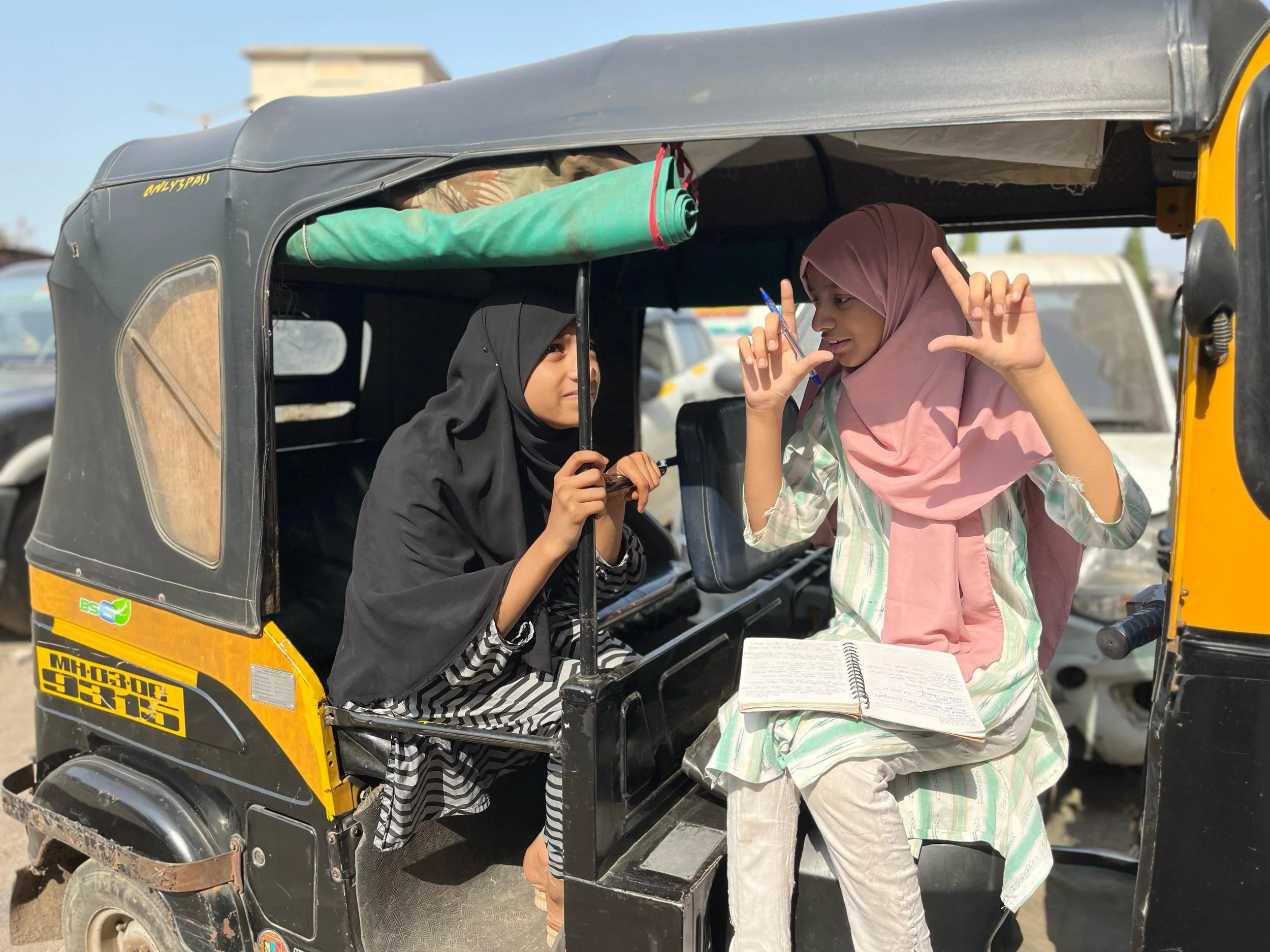
Pehchaan | पहचान
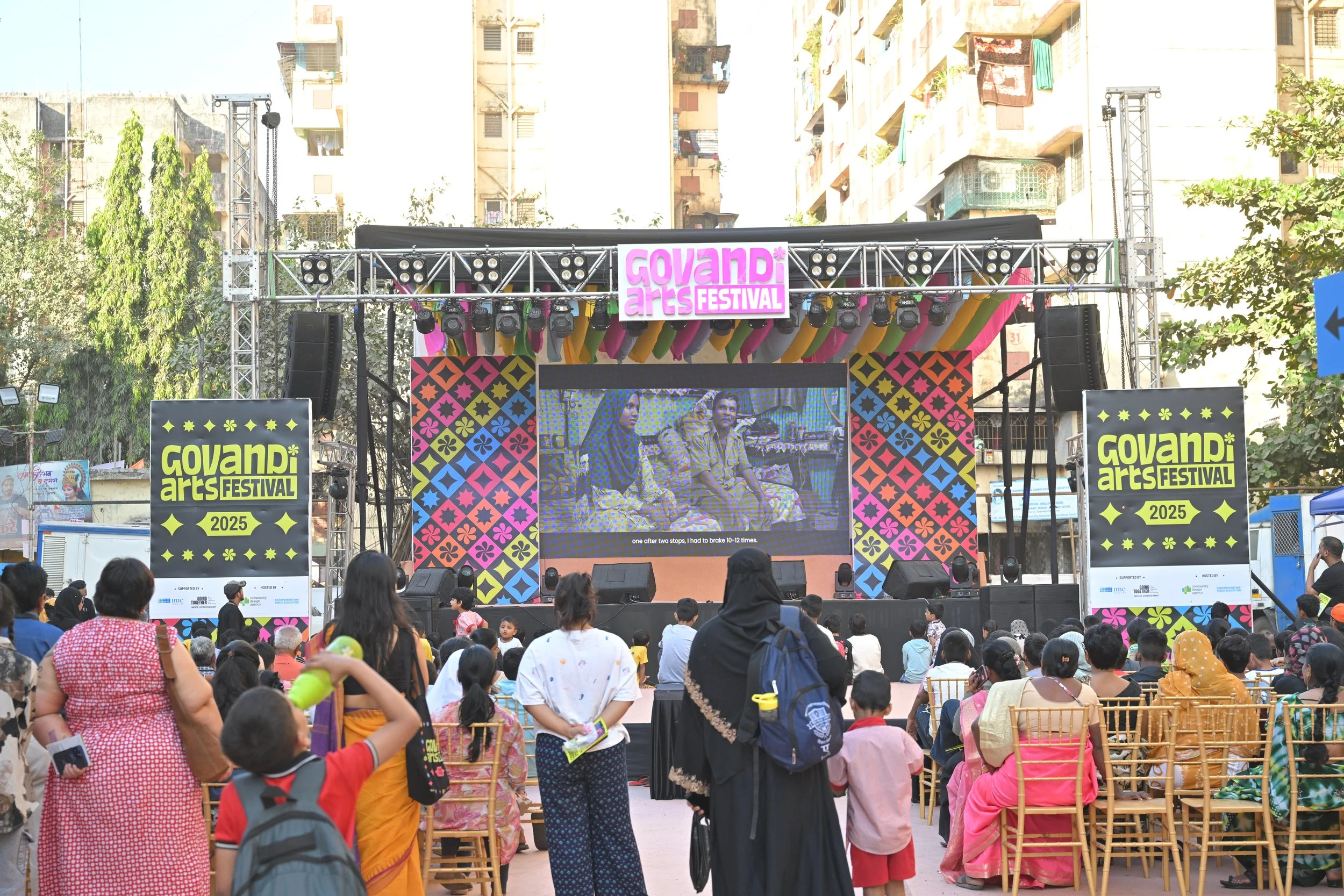
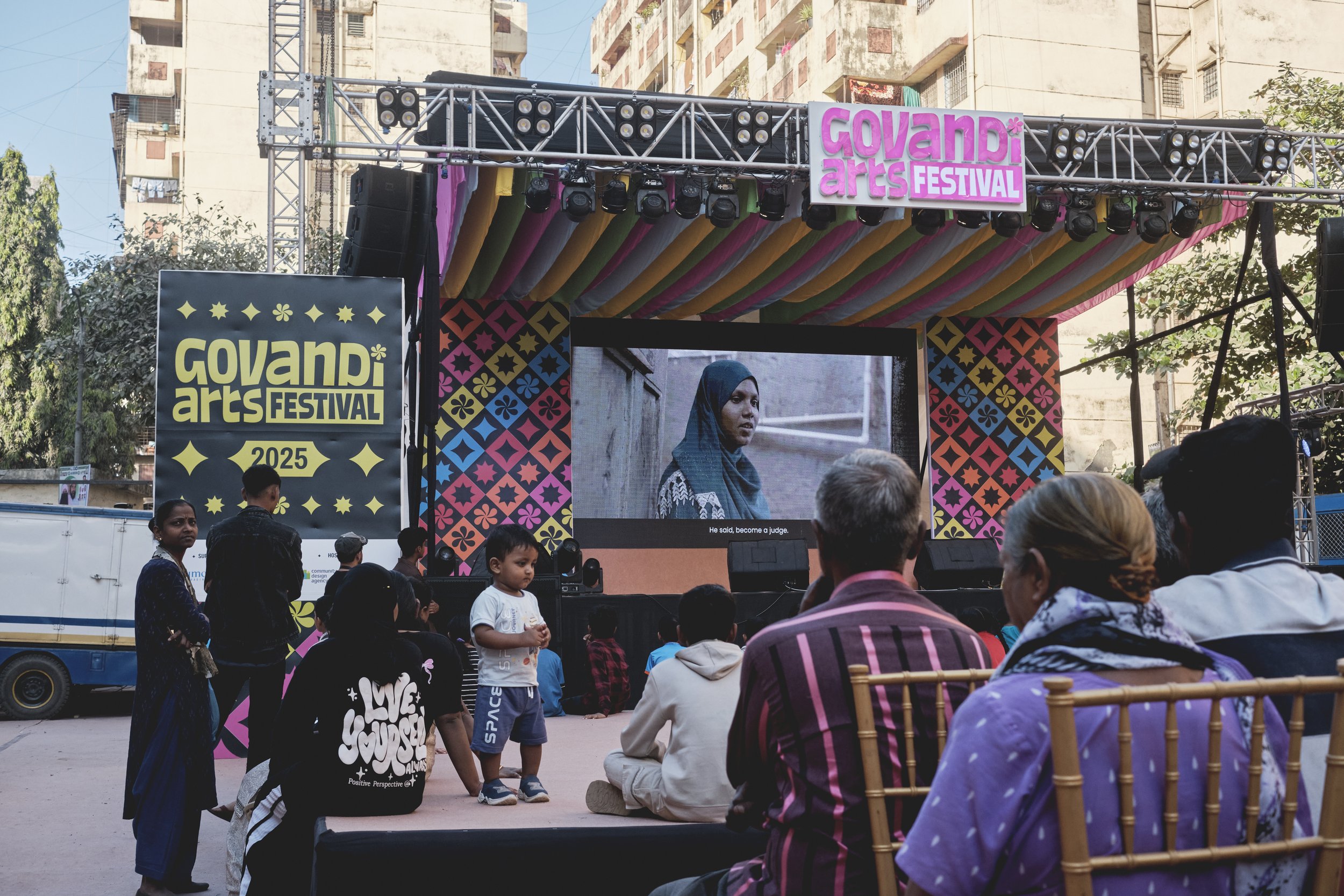
Film Screening
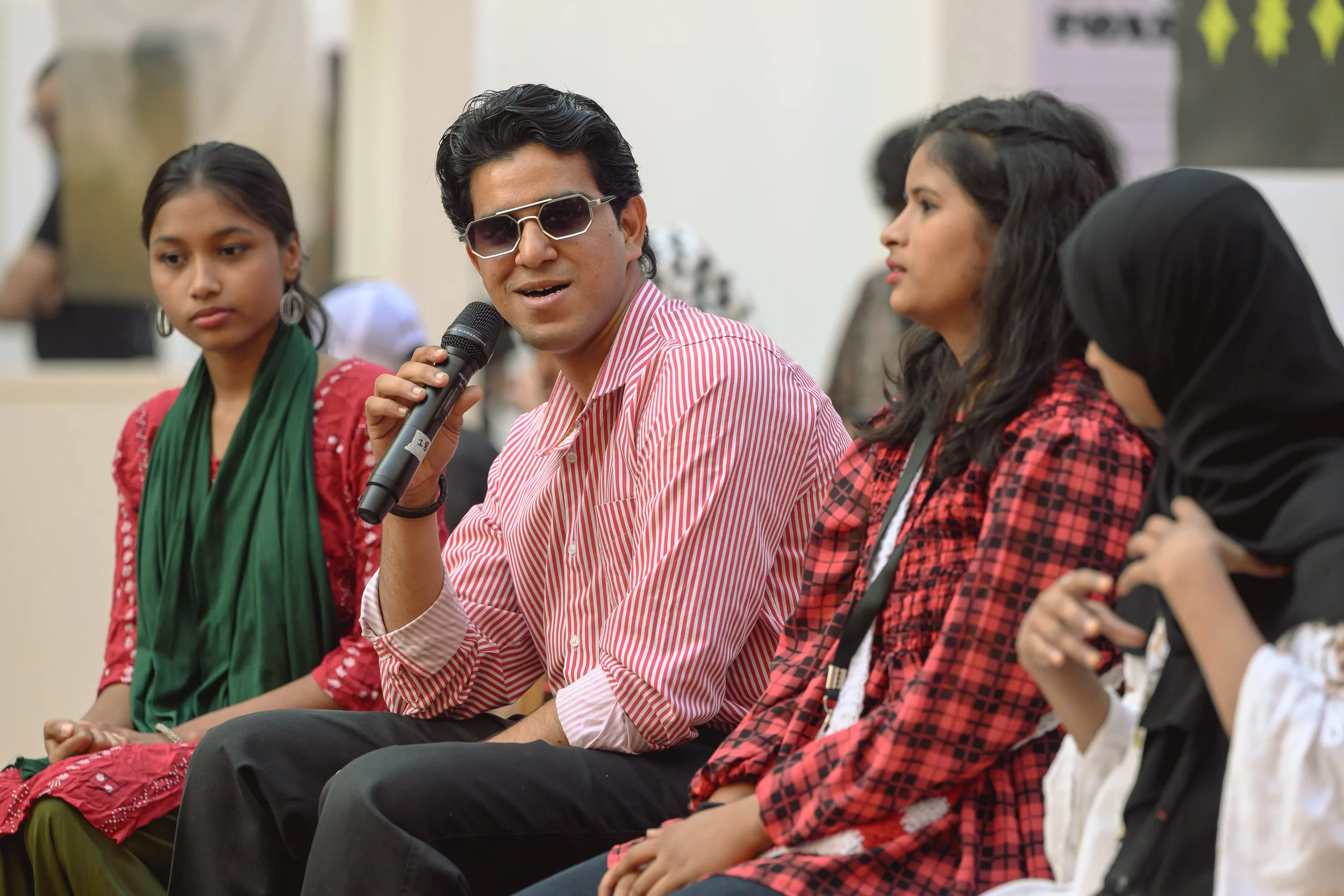
Youth Artists: Asiya Shaikh, Afsar Mirza, Insha Shaikh, Ifra Khan, Jyoti Kharwa, Sakina Khan
Mentors: Suraj Katra, Rohini Maiti, Sapan Taneja, Nikita P, from Nazaria Arts Collective
Our Youth filmmakers are a passionate group of 6 young artists, of age 13-21 years, who use the medium of film to challenge dominant narratives and explore themes of aspiration, identity, gendered violence, the relationship between the spaces we inhabit and more.
हमारे 6 युवा फिल्ममेकर, जिनकी उम्र 13 से 21 साल के बीच है, बहुत ही जोश और लगन से फिल्म बनाते हैं। अपने कैमरे के ज़रिए वे समाज में चल रही आम धारणाओं को चुनौती देते हैं और सपनों, पहचान, जेंडर-आधारित हिंसा, और जगहों से हमारे रिश्ते-- जैसी कहानियों को फिल्म के जरिए बताने की कोशिश करते हैं।
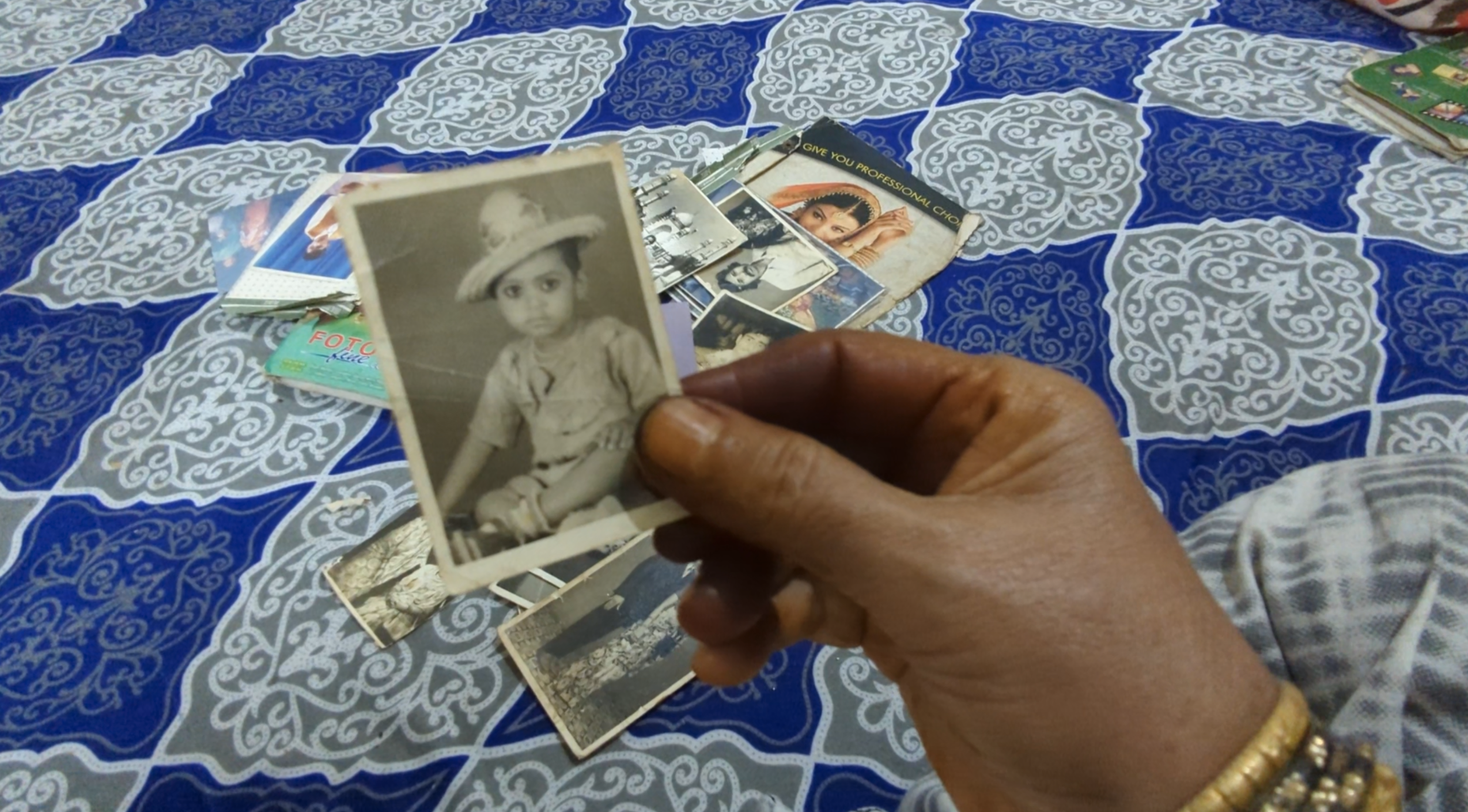
Nani Ka Ghar | नानी का घर | by Insha Shaikh
A tender portrait of Insha’s visits to her grandmother’s home, a space of warmth, memory, and quiet belonging away from the city’s noise.
इंशा अपनी नानी के घर जाती है—एक ऐसी जगह जहाँ उसे शहर की भागदौड़ से दूर सुकून, यादें और अपनापन मिलता है।
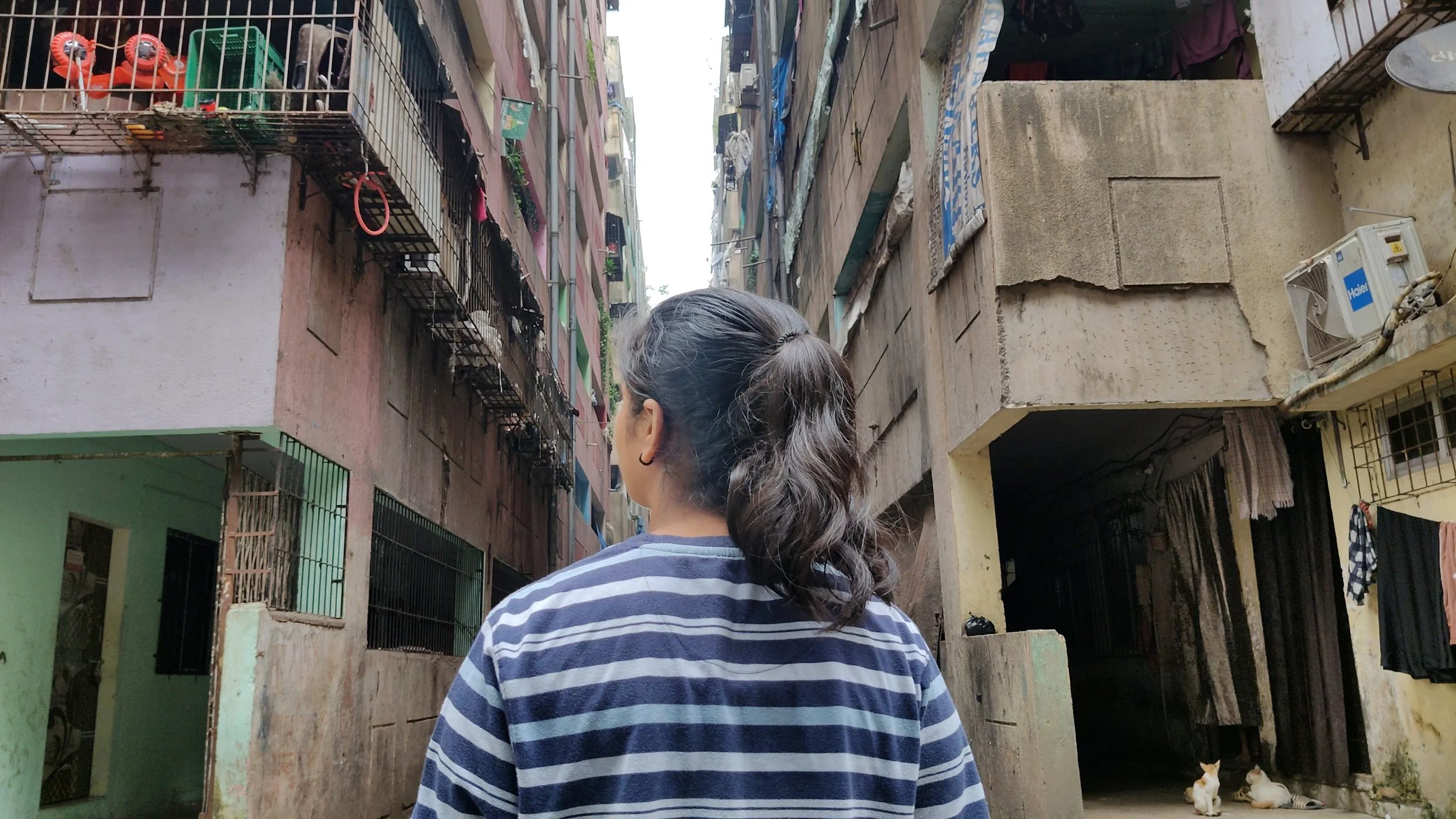
Govandi Ke Ghar | गोवंडी के घर | by Sakina Khan
Sakina wanders through her neighbourhood, observing the beauty and small details that make each home uniquely alive and personal.
सकीना अपने मोहल्ले में घूमते हुए हर घर की छोटी-छोटी खूबसूरत बातें नोटिस करती है—और अपने फिल्म के जरिए हर घर की एक अलग पहचान दर्शाती हैं ।
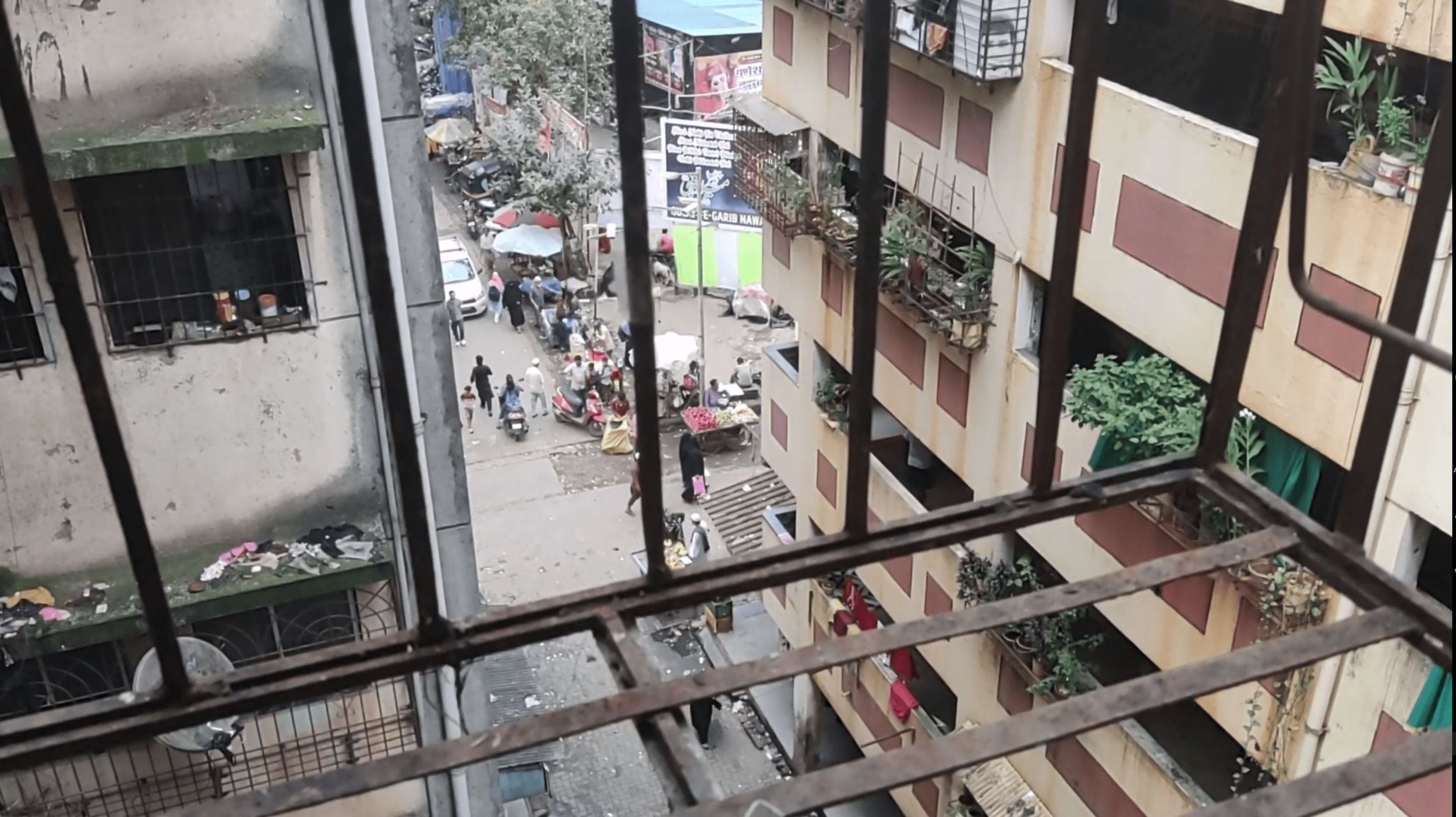
Govandi Ke Rang | गोवंडी के रंग | by Asiya Shaikh
Challenging the outside gaze that reduces her community to struggle, Asiya captures the joy, colour, and everyday happiness that fill her world.
शहर वालों की नज़र को चुनौती देते हुए जो गोवंडी को सिर्फ एक बदनाम इलाका मानते हैं , आसिया अपने कैमरे में अपनी दुनिया की रंगीनियाँ, खुशियाँ और रोज़मर्रा की मुस्कानें दर्शाती है।
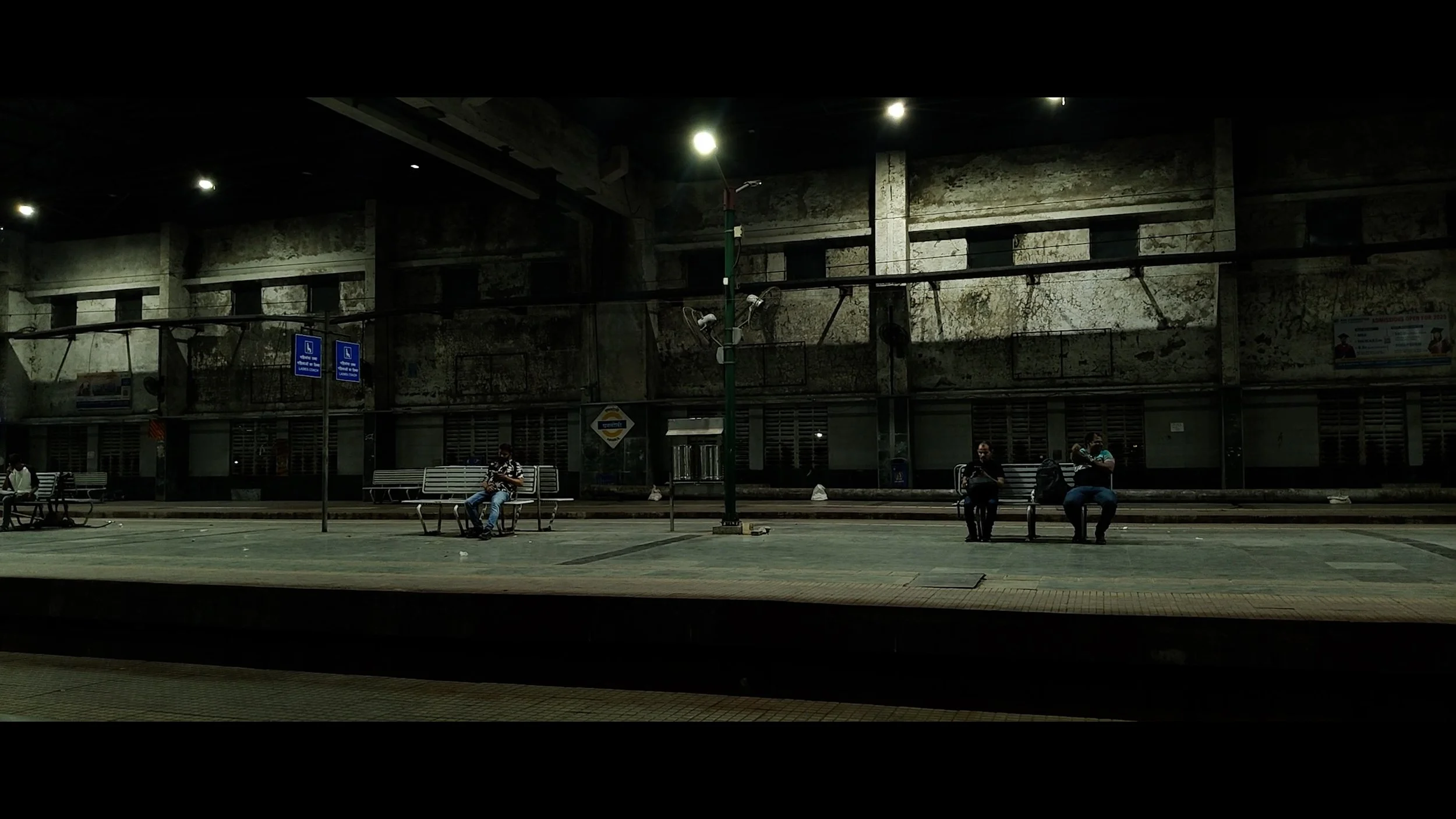
Ye Meri Zindagi Hain | ये मेरी ज़िन्दगी हैं | by Afsar Mirza
Caught in the routine of a job he doesn’t love, Afsar turns the camera on himself, tracing his dreams, doubts, and joys through filmmaking.
एक ऐसी नौकरी में फँसा हुआ जिसे वो पसंद नहीं करता, अफ़सर कैमरा खुद पर मोड़ते हुए अपने सपनों, उलझनों और फिल्म बनाने की खुशी को अपने फिल्म जरिए दिखता हैं ।
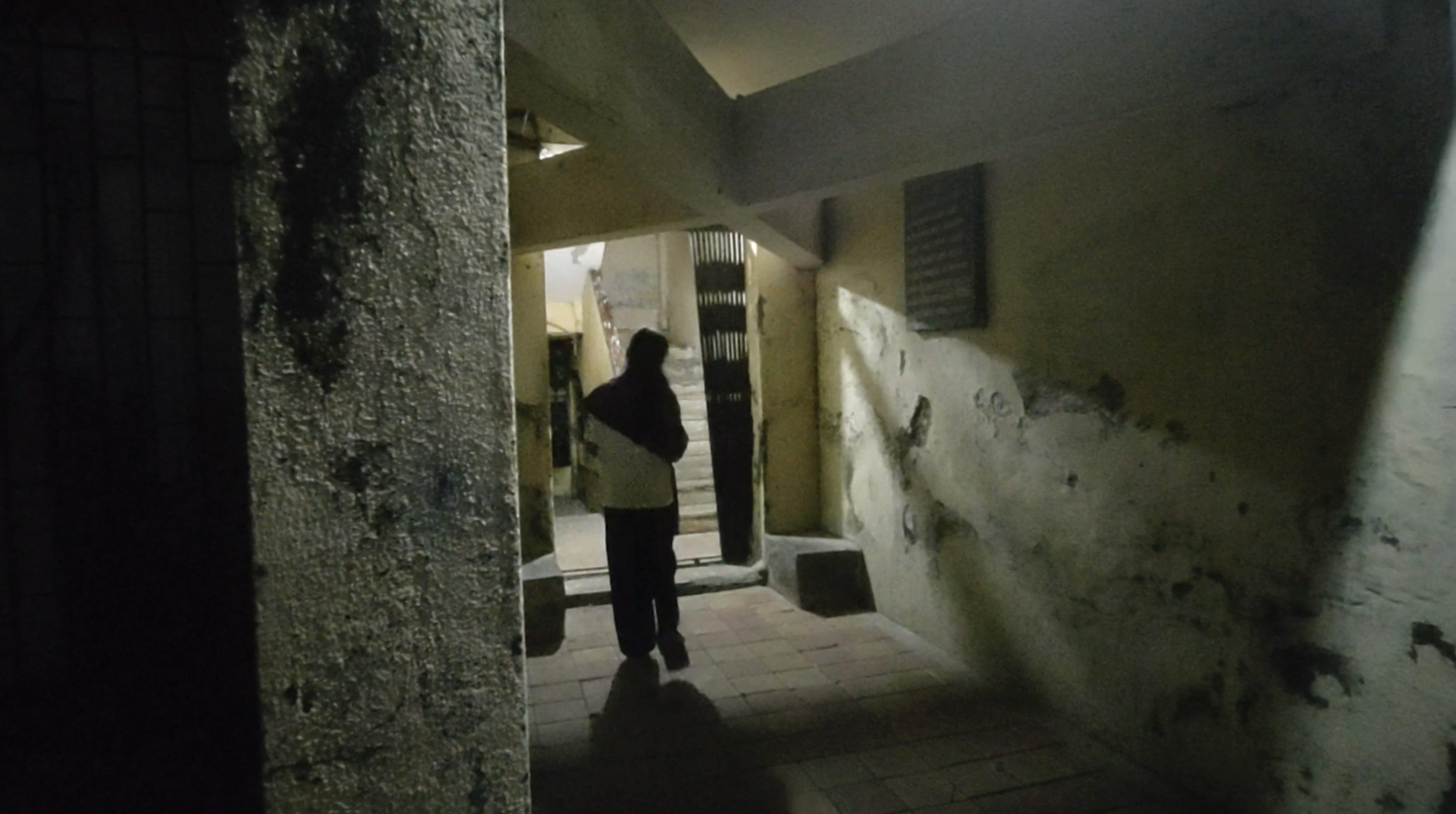
Main Aur Mera Darr | मैं और मेरा डर | by Ifra Khan
Challenging the outside gaze that reduces her community to struggle, Asiya captures the joy, colour, and everyday happiness that fill her world.
रात से डरने वाली इफ़रा अपने कैमरे के साथ इस डर का सामना करती है—अँधेरे की ख़ामोशी, ठहराव और हिम्मत को महसूस करते हुए।
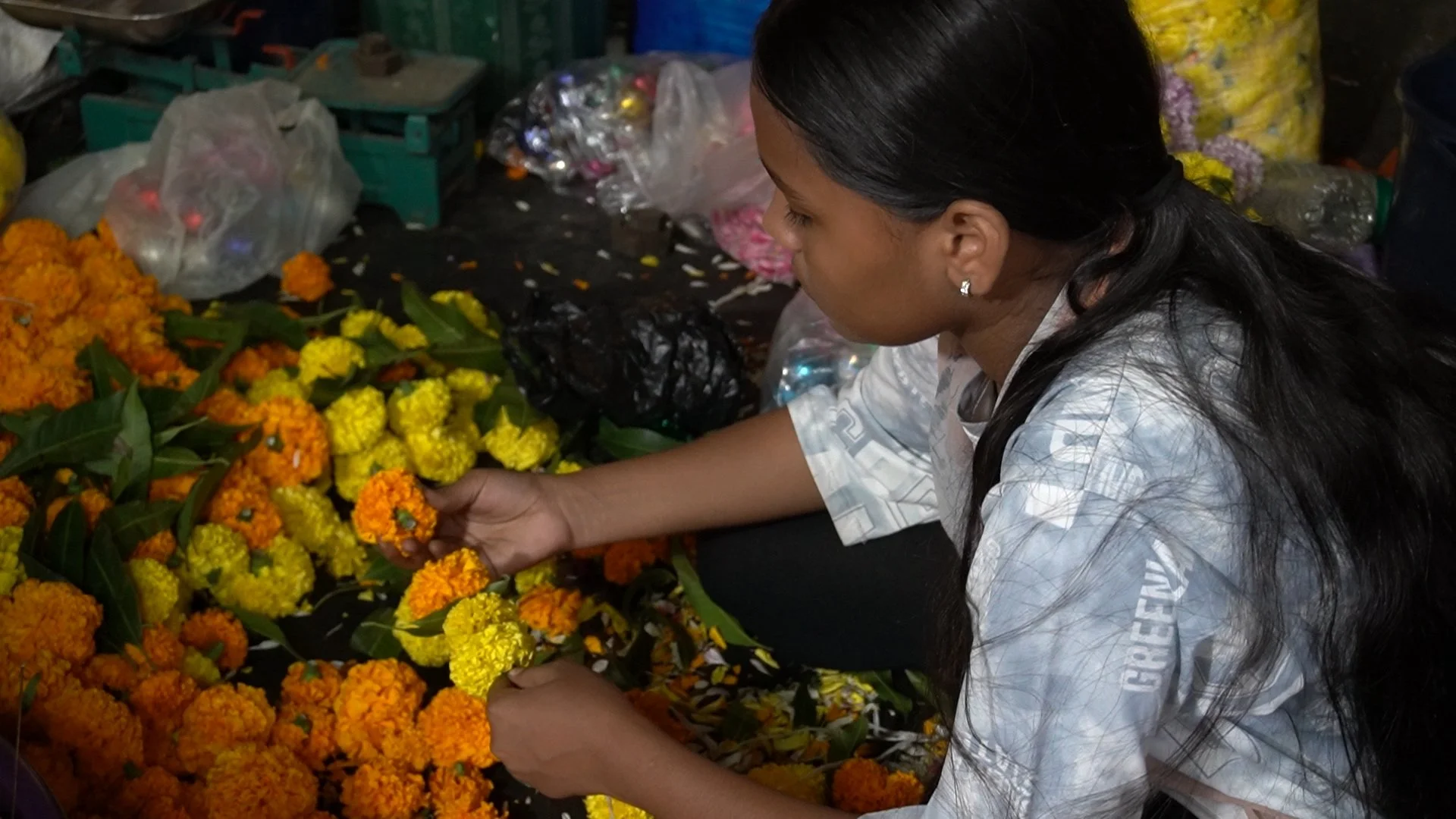
Meri Chhotee Badee Behen | मेरी छोटी बड़ी बहन | by Jyoti Kharwa
A gentle and intimate glimpse into Jyoti’s relationship with her sister, revealing affection, admiration, and everyday moments of kinship.
ज्योति की अपनी बहन के साथ रिश्ते की एक नर्म और प्यारी झलक—प्यार, सम्मान और रोज़मर्रा के छोटे-छोटे लम्हों से भरी हुई।
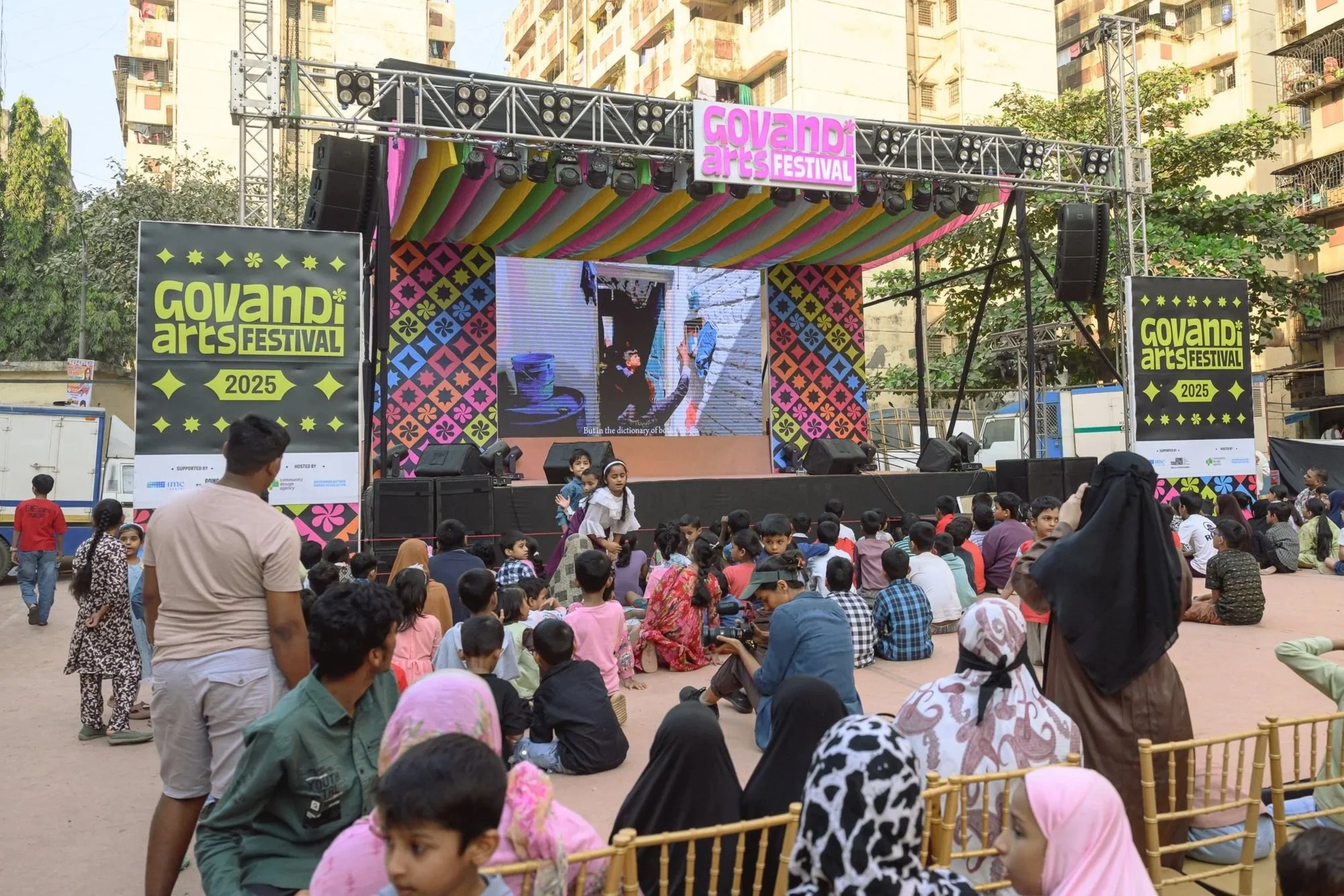
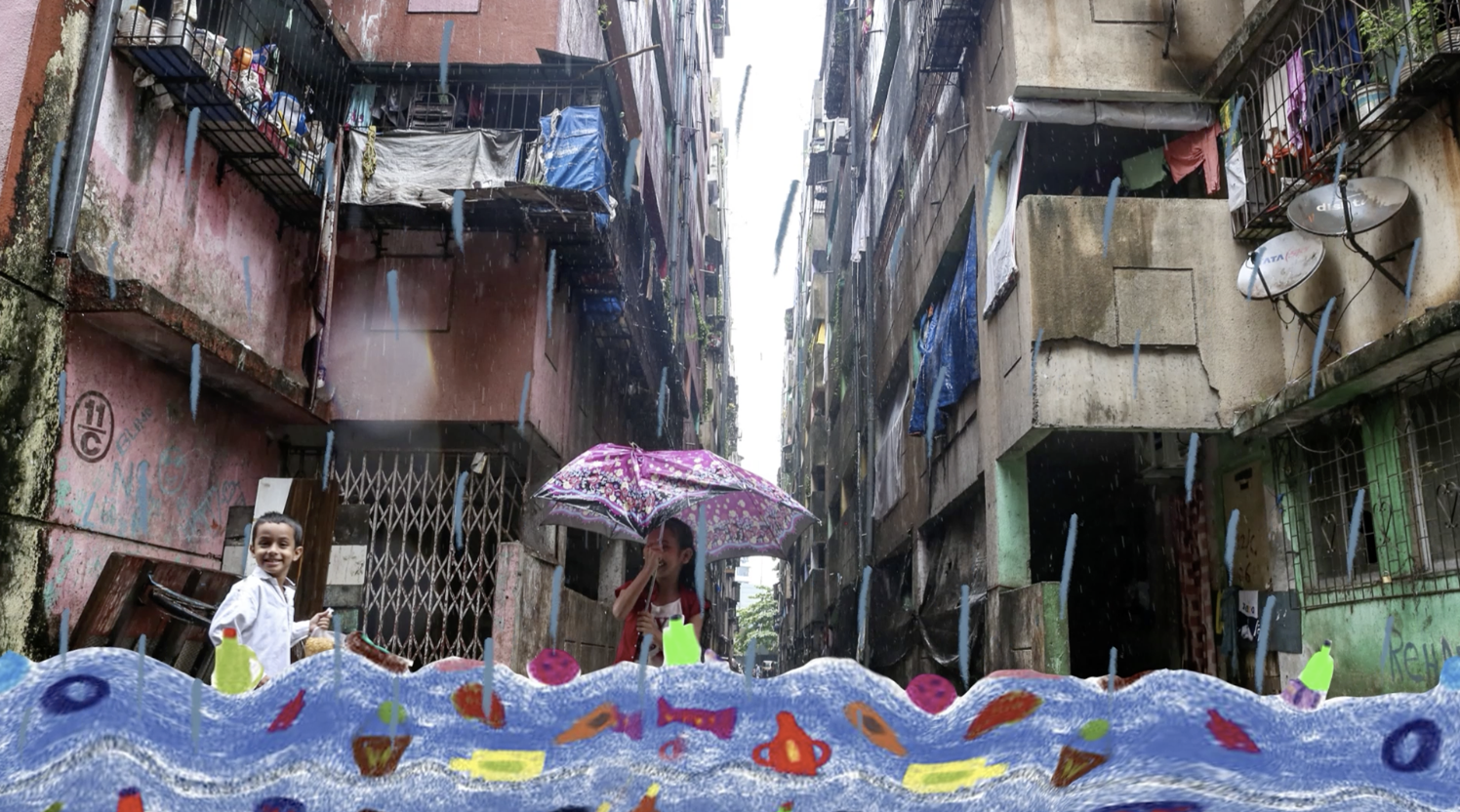
Gutter Ki Machli | गटर की मछली
By Natasha Sharma | नताशा शर्मा द्वारा एक फिल्म
Gutter Ki Machhli is an animation film that weaves together the voices of the children, youth and women of a rehabilitation and resettlement colony in Govandi, Mumbai through their drawings and poetry to vocalise, localise and visualise their experiences of climate change.
गटर की मछली एक ऐनिमेशन फ़िल्म है जो गोवंडी, मुंबई की एक पुनर्वास कॉलोनी के बच्चों, युवाओं और महिलाओं की आवाज़ों को जोड़ती है। उनकी ड्रॉइंग्स और कविताओं के ज़रिए यह फ़िल्म जलवायु बदलाव के उनके अनुभवों को बोलने, दिखाने और उनकी अपनी नज़र से समझाने की कोशिश करती है।
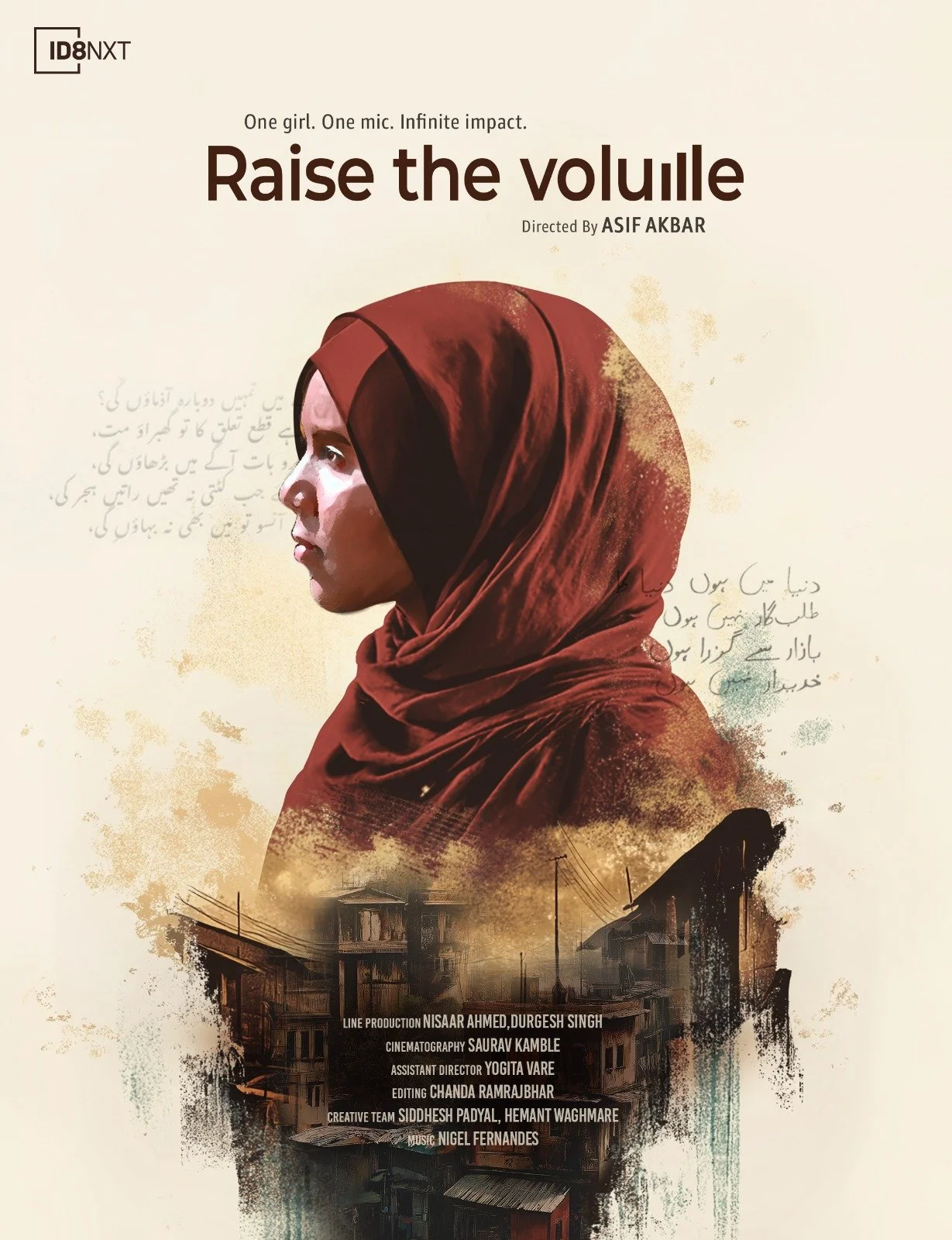
Raise the Volume | रेज़ द वॉल्यूम
By Asif Akbar | आसिफ़ अकबर द्वारा एक फिल्म
Director Asif Akbar captures the story of a rapper from the neighbourhoods of Govandi and our very own Rap and Music mentor, Saniya MQ.
डायरेक्टर आसिफ अकबर इस फ़िल्म में गोवंडी की गलियों से निकली रैपर और हमारी अपनी रैप और म्यूज़िक मेंटर, सानिया एम क्यू की आवाज़, सफ़र और कला की ताक़त को सामने लाते हुए उनकी कहानी को कैद करते हैं।
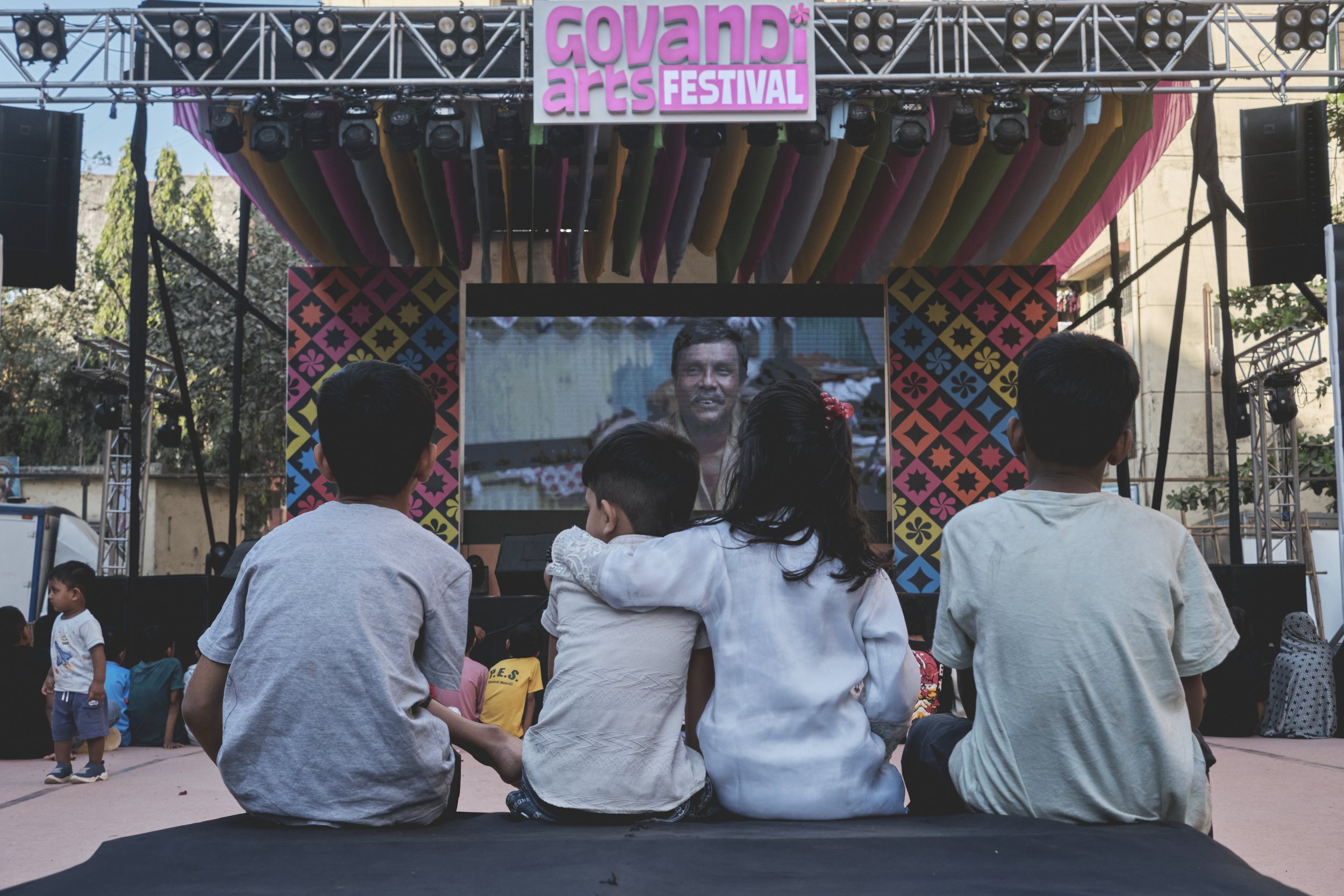

All Living Things Environmental Film Festival (ALT EFF) | ऑल लिविंग थिंग्स एनवायर्नमेंटल फिल्म फेस्टिवल
The All Living Things Environmental Film Festival creates a discourse for climate action through the power of cinema, inspiring us to rethink our place and impact on this shared planet.
DAY 2 (11th Dec, 2025) LineUp

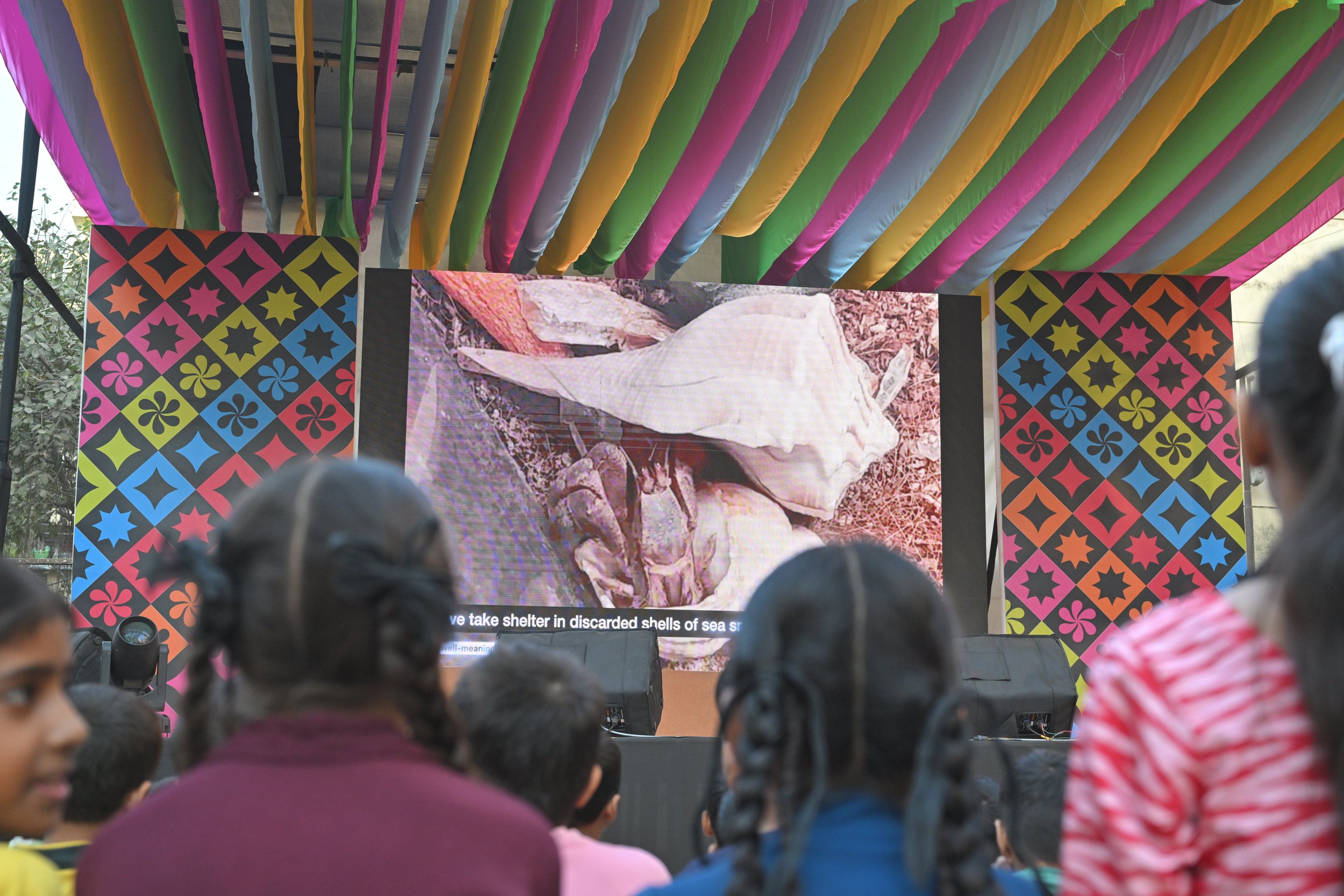
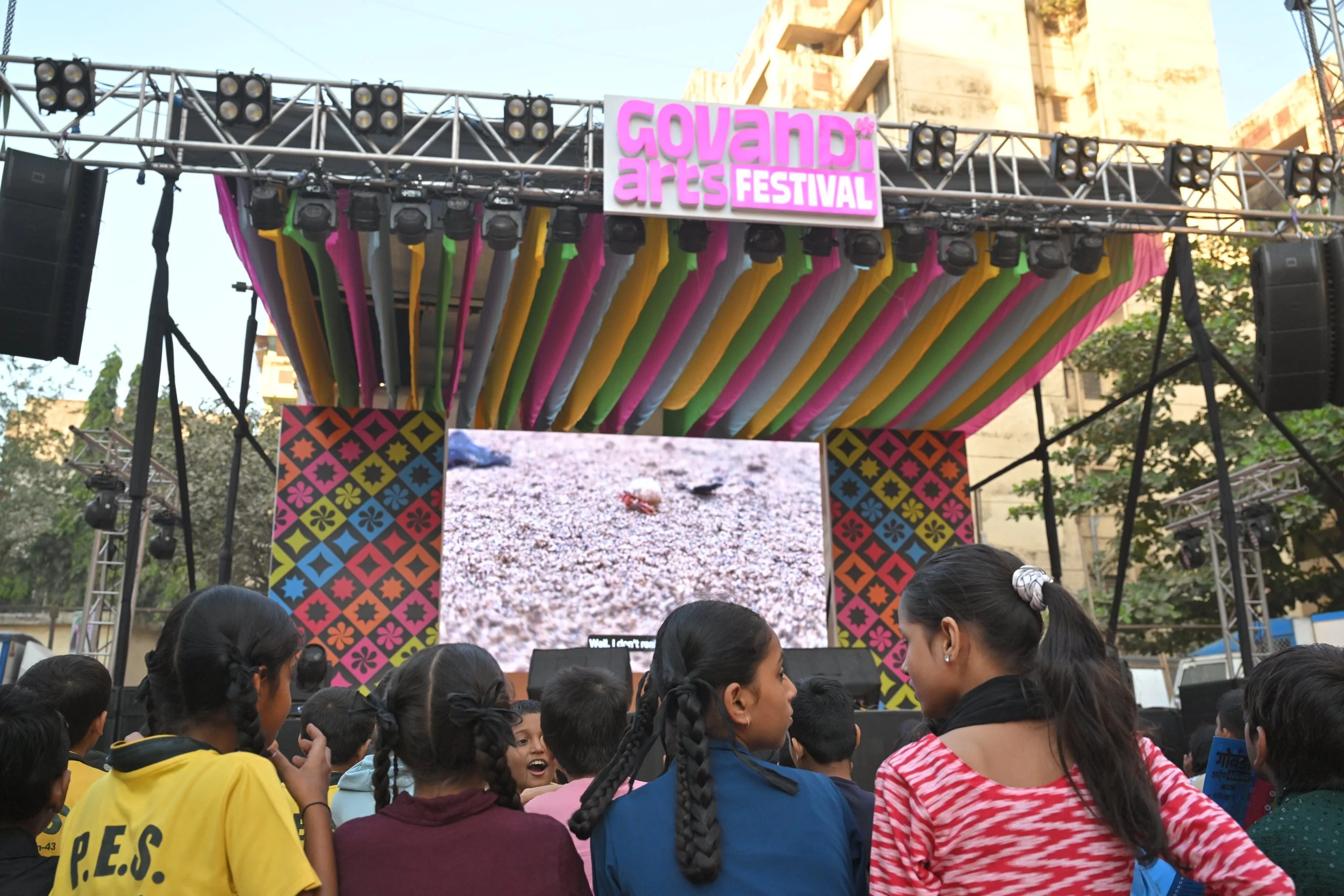
Shelling Out: A tale of crabitat loss | by Leesha K Nair
Hermie, a hermit crab from the Andamans, searches for a home in a world where seashells disappear and plastic takes their place. Playful yet sobering, this short film reflects on climate change, compassion, and humanity’s role in protecting fragile marine life.
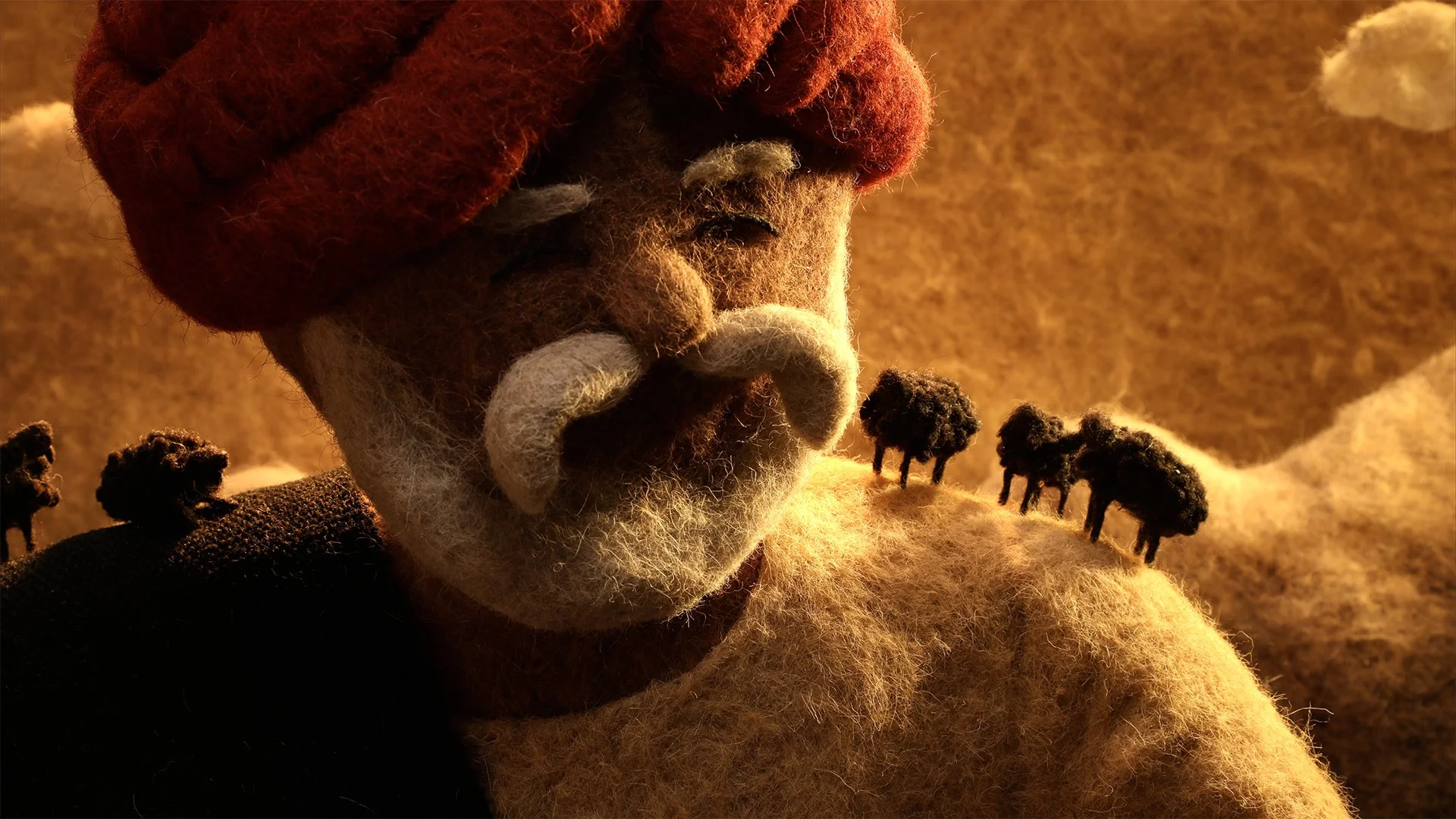
The film explores the deep connection between Deccani wool, the land, and its people, highlighting its cultural, spiritual, and ecological significance. It delves into the resilience of the Deccani sheep, the traditions of shepherding, and the sacred role of wool in daily life. Through the story of Balu Mama and his revered flock, the film contrasts a rich heritage with the modern neglect of India’s native sheep and wool industry. In the face of this decline, it raises a poignant question—can the wisdom of the past inspire a future where shepherding and pastoral traditions are valued once again?
Desi Oon | by Suresh Eriyat
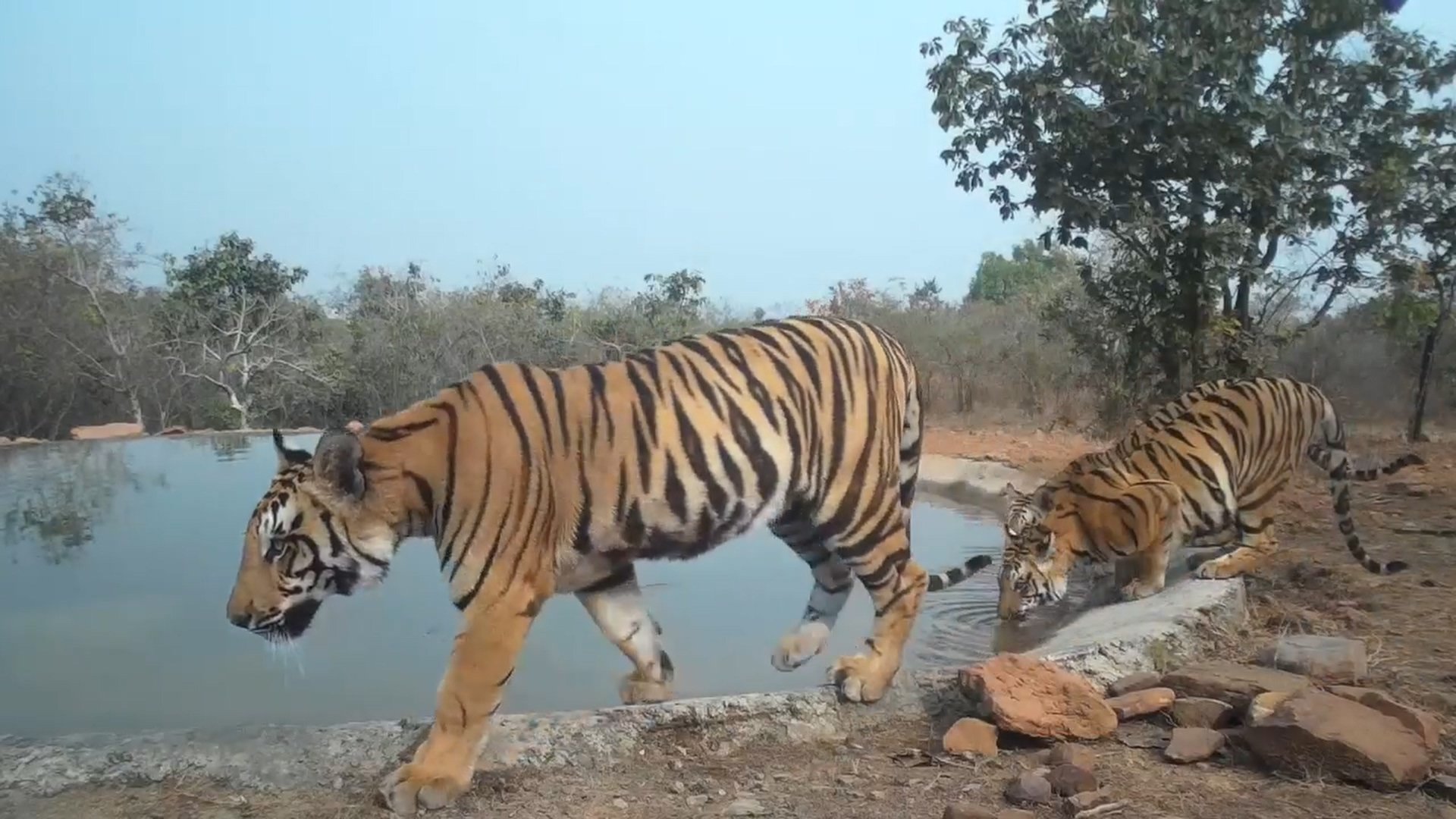
Urban Tiger Volunteers of Bhopal | by Choulesh Chachane, Akash Eveny
Urban Tiger Volunteers of Bhopal delves into the Urban Tiger Volunteer Program initiated by TINSA, a Bhopal-based NGO. The film highlights how local volunteers are actively involved in monitoring and conserving Bhopal’s tiger population, which consists of 96 tigers. It showcases their contributions through setting up camera traps, conducting PIP (Pugmark Identification Protocol) checks, and participating in night patrols. The documentary emphasizes the collaborative efforts to create a sustainable ecosystem where tigers and human communities coexist harmoniously in urban and peri-urban spaces.

A blackbird exhausted by the noisy city, seeks refuge in a private garden where he notices a female blackbird settled in. The blackbird starts a serenade but realizes that even in this hectare that seemed so calm, he won't escape the racket. After straining his voice, trying to exceed the decibels, the blackbird ends up losing his voice. Mad and desperate, he will find a solution in his struggle, helped by birds around.
Cacophony | by Vincent Coudroy de Lille
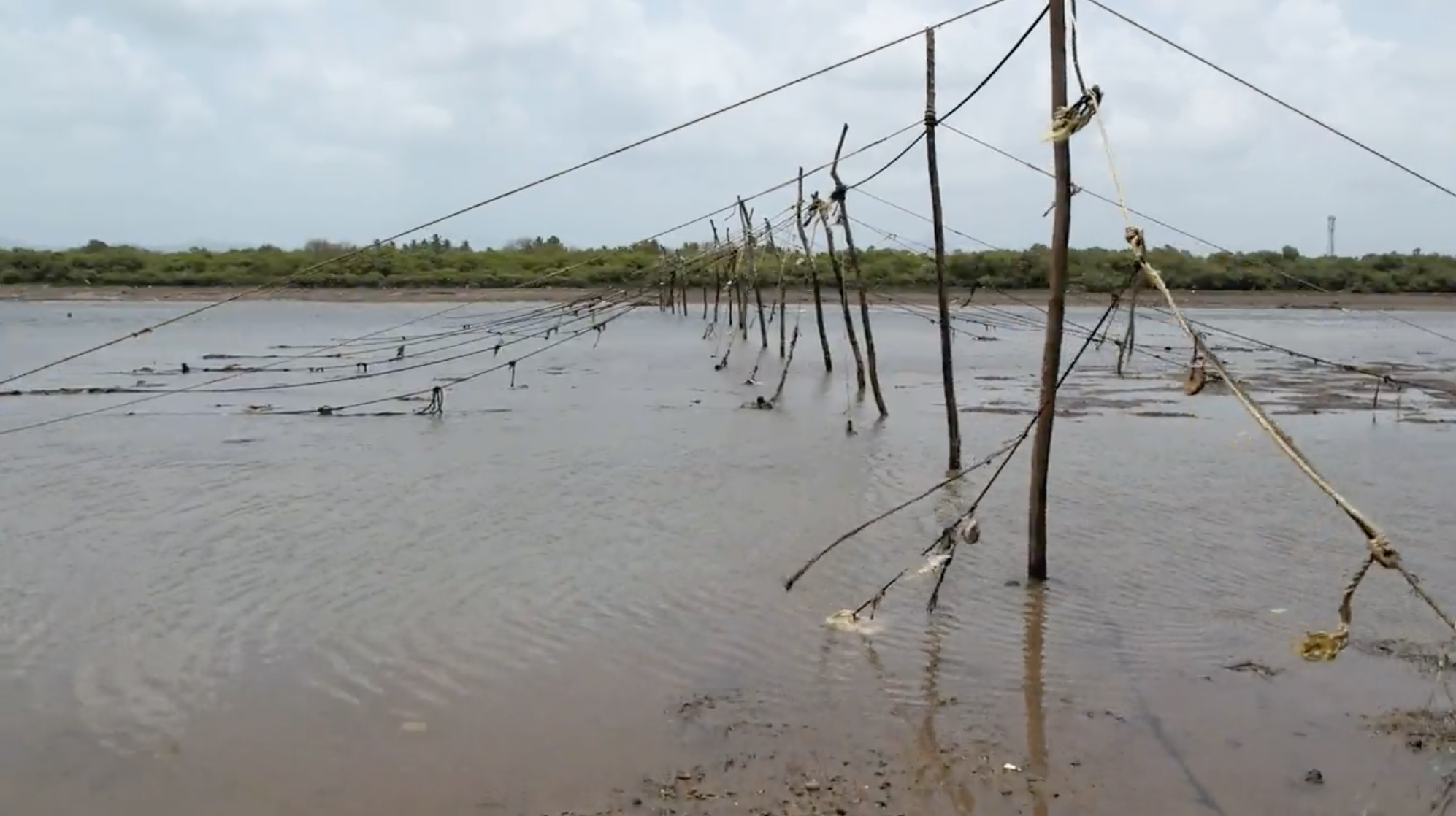
In Maharashtra’s Tarapur, one of India’s most polluted industrial zones, fishermen are locked in a decades-long battle against chemical industries accused of poisoning their creeks and livelihoods. The film follows petitioners like Ashok Tandel and Vaibhav Vaze, whose fight has reached the Supreme Court, even as dead fish, contaminated water, and rising health problems haunt local villages. With over 4,000 skin disease cases in a single year and evidence of untreated effluents in wells and creeks, the documentary uncovers the clash between industrial growth and community survival—and the resilience of villagers determined to keep their waters alive.
Tainted Waters | by Amitha Balachandra
DAY 3 (12th Dec, 2025) LineUp
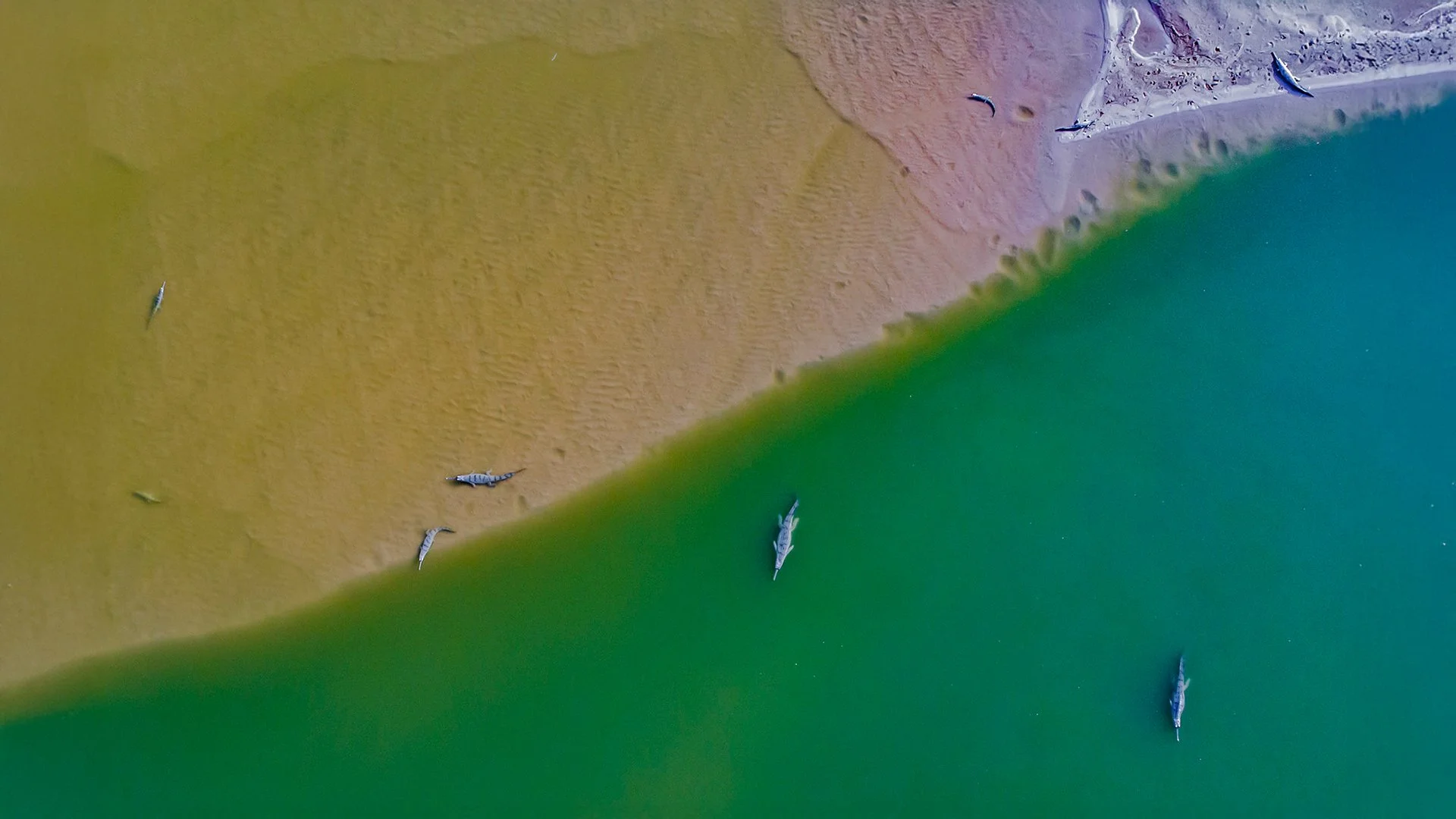
Boon of the Curse: Unholy Chambal | by Shivang Mehta
Unlike most rivers in India, the Chambal was never worshipped—legend called it cursed, born of blood. But the very myth that kept settlements and industries away, also kept the river wild and clean. Today, with over 400 species of birds, mammals, and reptiles, Chambal is a rare boon for nature.
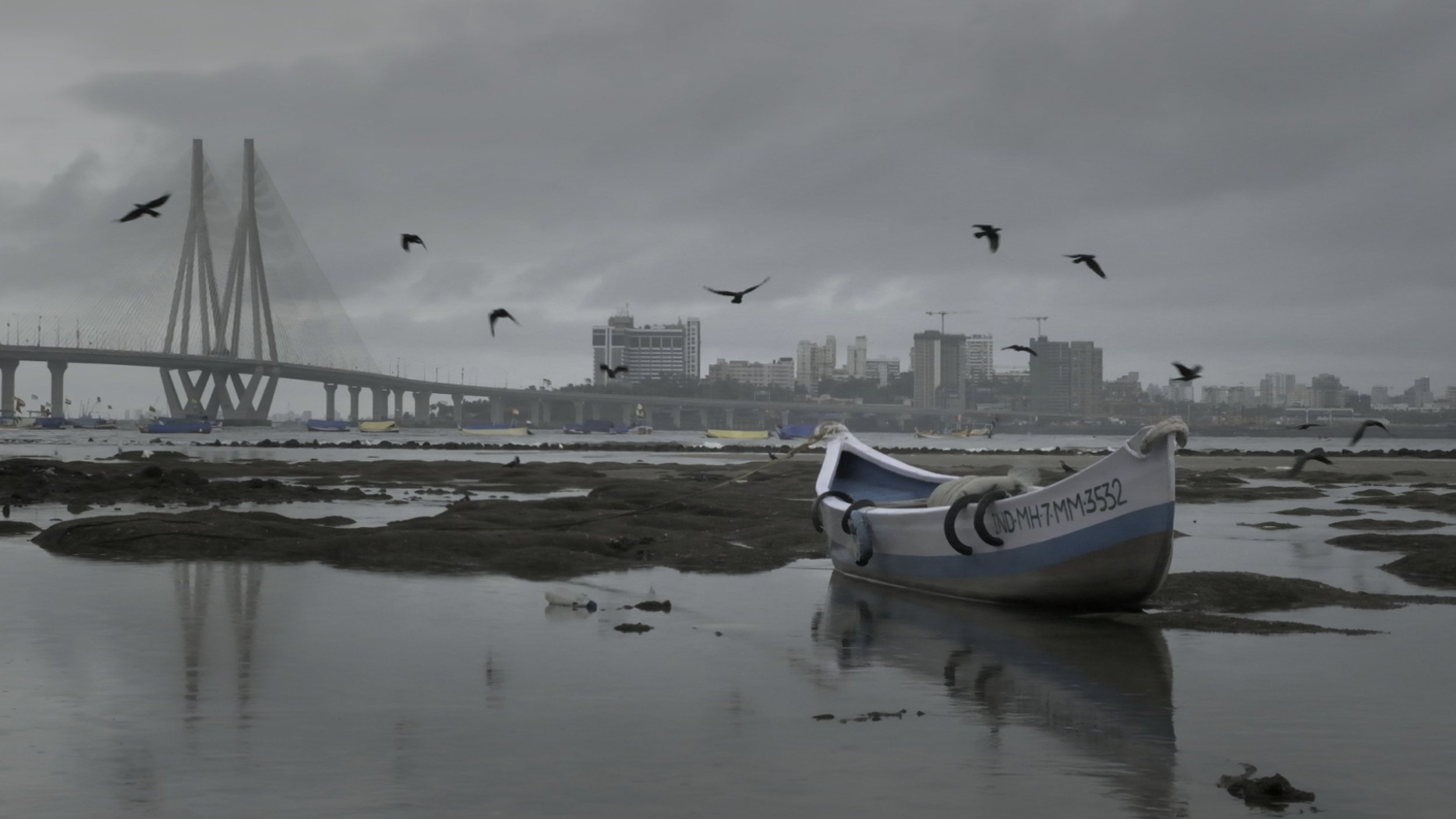
Lost Songs of Sundari | by Sudarshan Sawant
Mumbai—once a cluster of villages connected by the sea—is being reshaped by modern bridges and land reclamation. This development comes at a cost: the erasure of the old world and its indigenous people, the Kolis, who lived in deep harmony with the sea. Their way of life—their fishing traditions and ferry transport linking these villages—is fading into obscurity.
Lost Songs of Sundari follows the Koli myth of a legendary ferryboat, and its ferrywoman- who guided people across creeks, long before these monstrous bridges existed. Through the perspectives of a woman recounting Sundari’s tale, an aging ferry operator who runs the Versova-Madh ferry, and a young child witnessing the changes, the film explores how progress, while practical, has disconnected a community bound by tradition and the sea. Now, Sundari lives on only in songs and stories, her memory overshadowed by urbanization, and soon that fate awaits the Koli community itself.
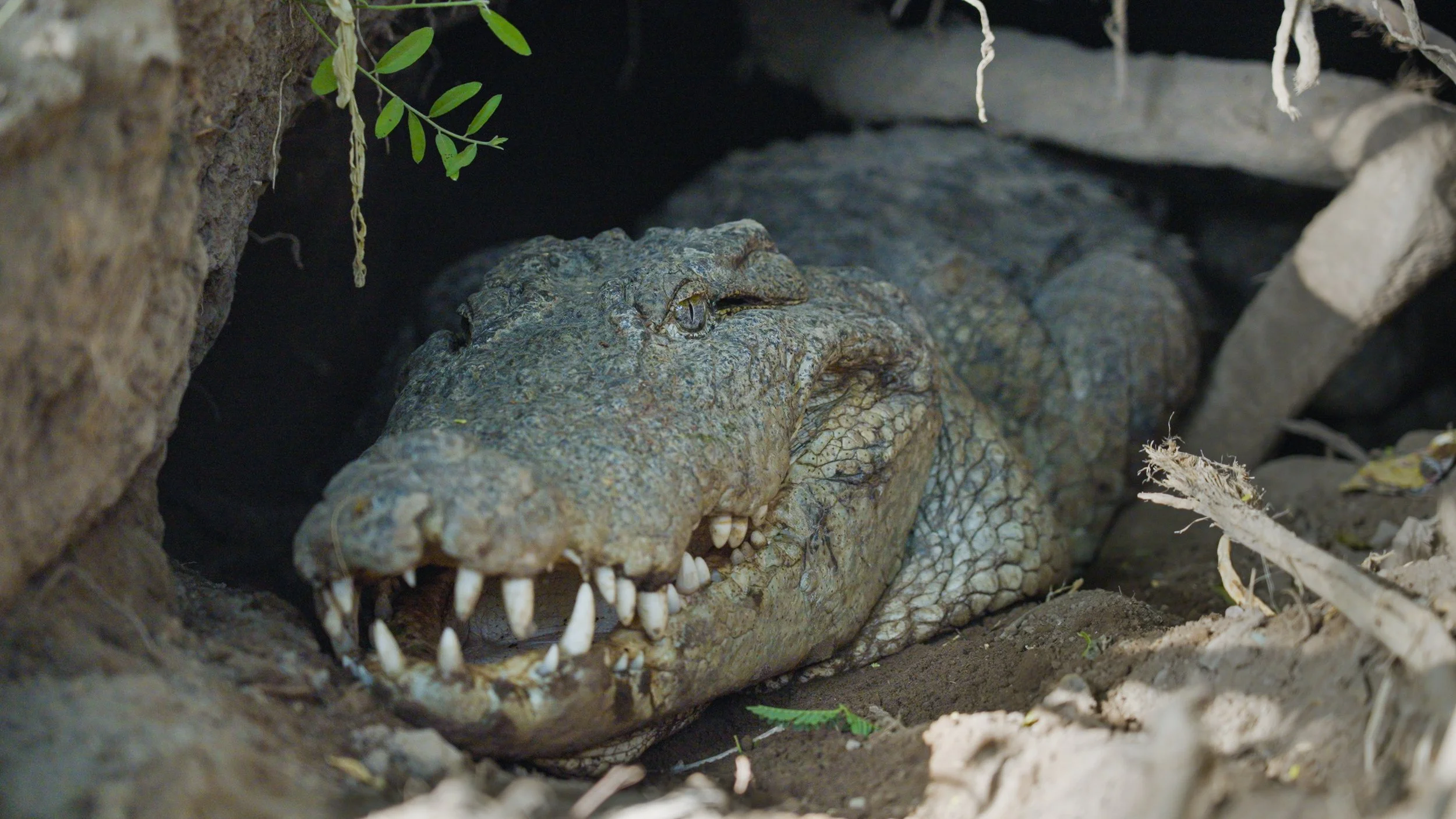
In India, a country in the throes of a human-wildlife conflict crisis, a unique anomaly exists in the villages of the Charotar region of Gujarat. Here, people live in harmony with India’s largest freshwater predator - marsh crocodiles, also known as muggers. Charotar has had less than 10 attacks in the last 10 years but it’s a little more complicated than just tolerance. Phir Bhi (Even So) follows the crocodile-friendly people of Charotar to understand their deep tolerance for their reptilian neighbours and what threatens this coexistence. This is a story of how the power of community can make a big difference to our shared future with animals.
Phir Bhi (Even So) | by Meghna Nandy
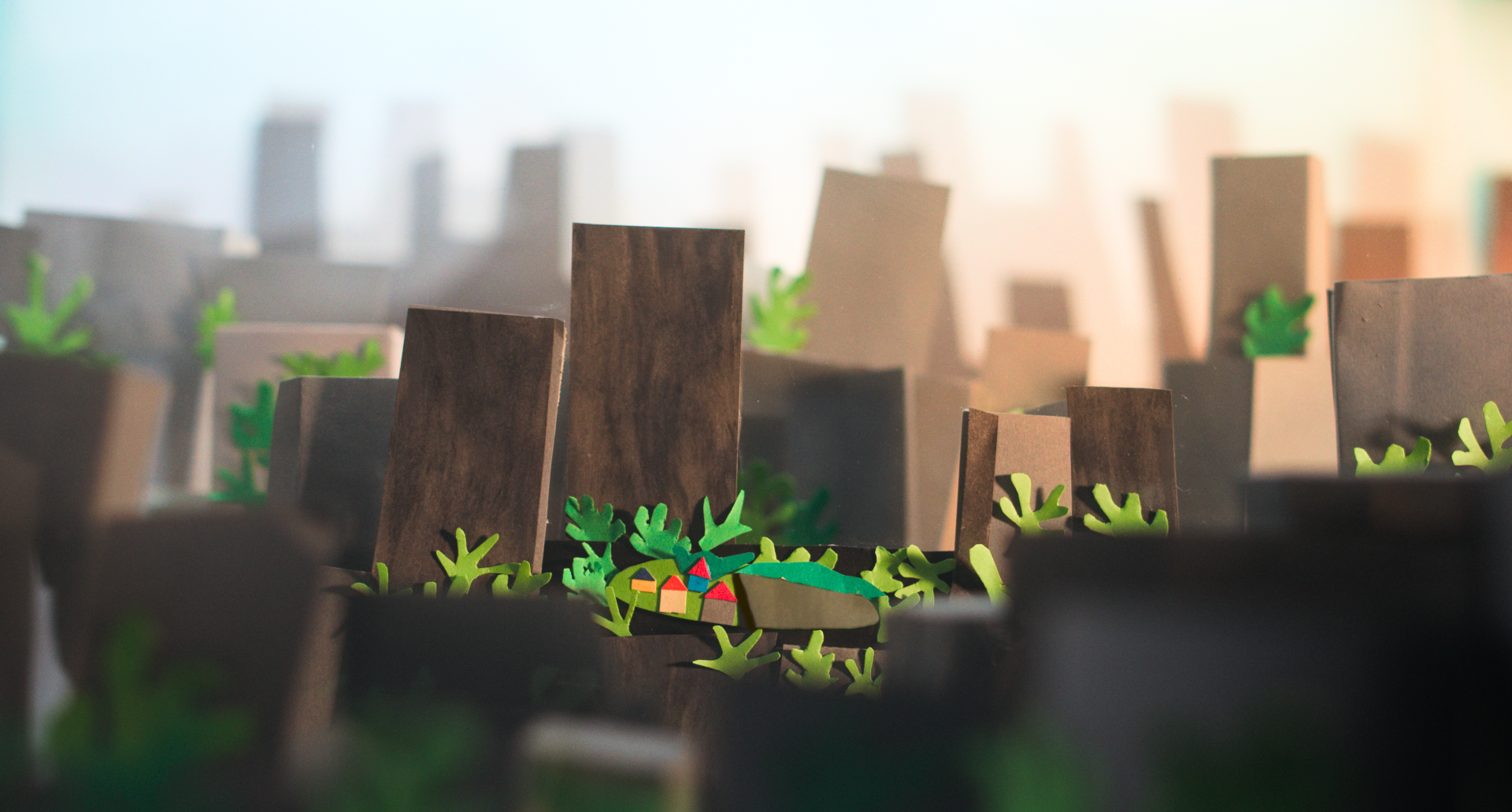
A bee flies through a loud, smog-ridden city when it encounters seventy-year-old Henry, a gentle soul. Every day, he escapes his monotonous job to the city's last community garden. It is a jungle of colourful and vibrant life: Animals, bugs, and plants all living symbiotically with the gardeners. Until today.
Drilling! Banging! Hammering! The decision has been made to build a shopping mall that will tear this garden apart. Henry is paralysed with confusion when Narjisse, a passionate young activist, instantly starts aggressively trying to rally the sceptical community, to no avail. Henry finds Narjisse’s approach disruptive and patronising. Instead, he smugly writes a letter to the Mayor. Days later, Narjisse is still protesting. Henry, annoyed, expresses his exasperation at her method. In the distance, diggers start rumbling. Henry and Narjisse, two generations, realise they need to join forces. This helps break the community’s apathy for hopefully a new beginning.
The Last Garden | by Eloise Jenninger
Nagari Film Competion | नगरी फ़िल्म प्रतियोगिता
Short Film Screenings
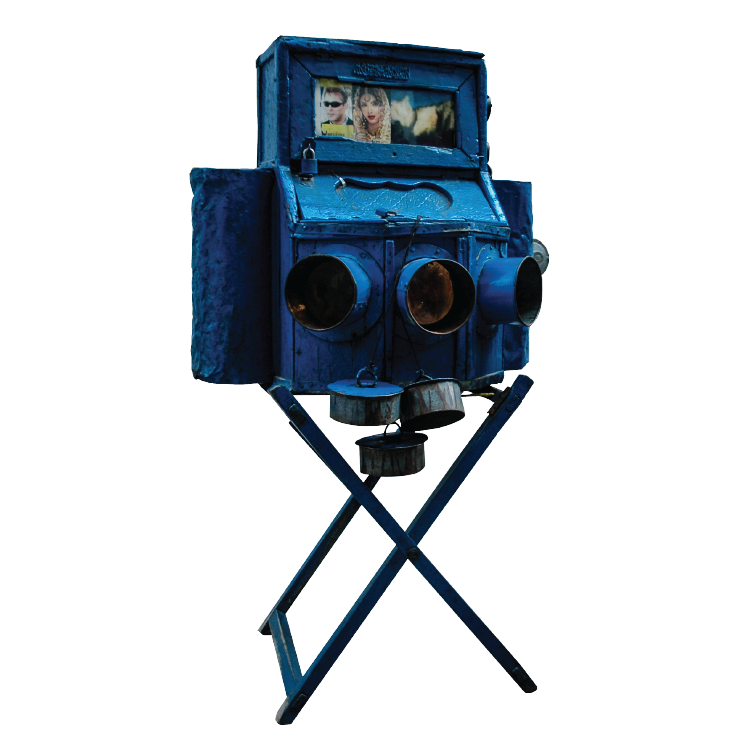
This selection of films from Nagari become a bioscope for the city as they engage with diverse urban issues.
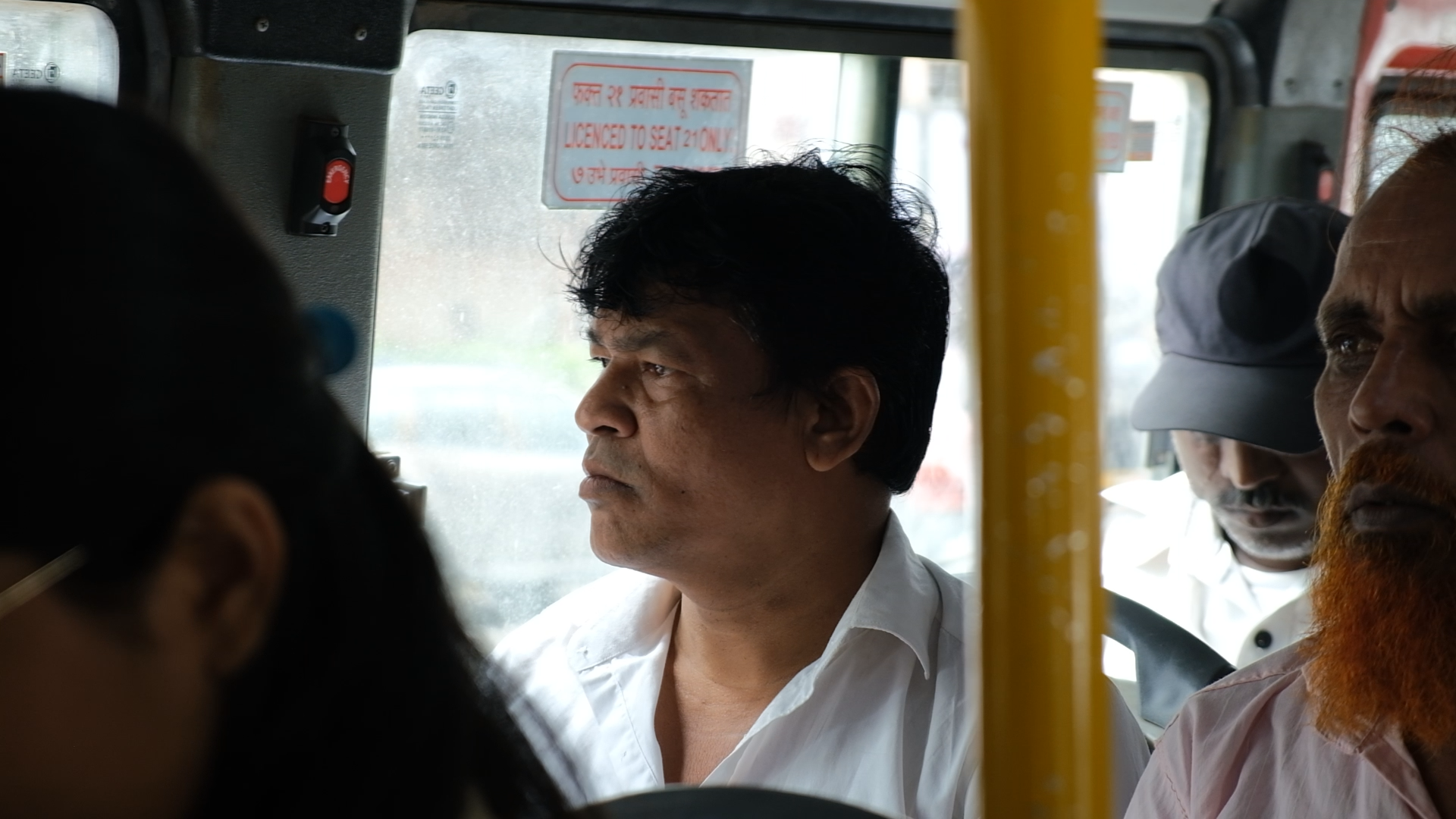
Pipe Dream | by Suraj Katra, Jai Mati, Prachi Adesara & Sitaram Shelar
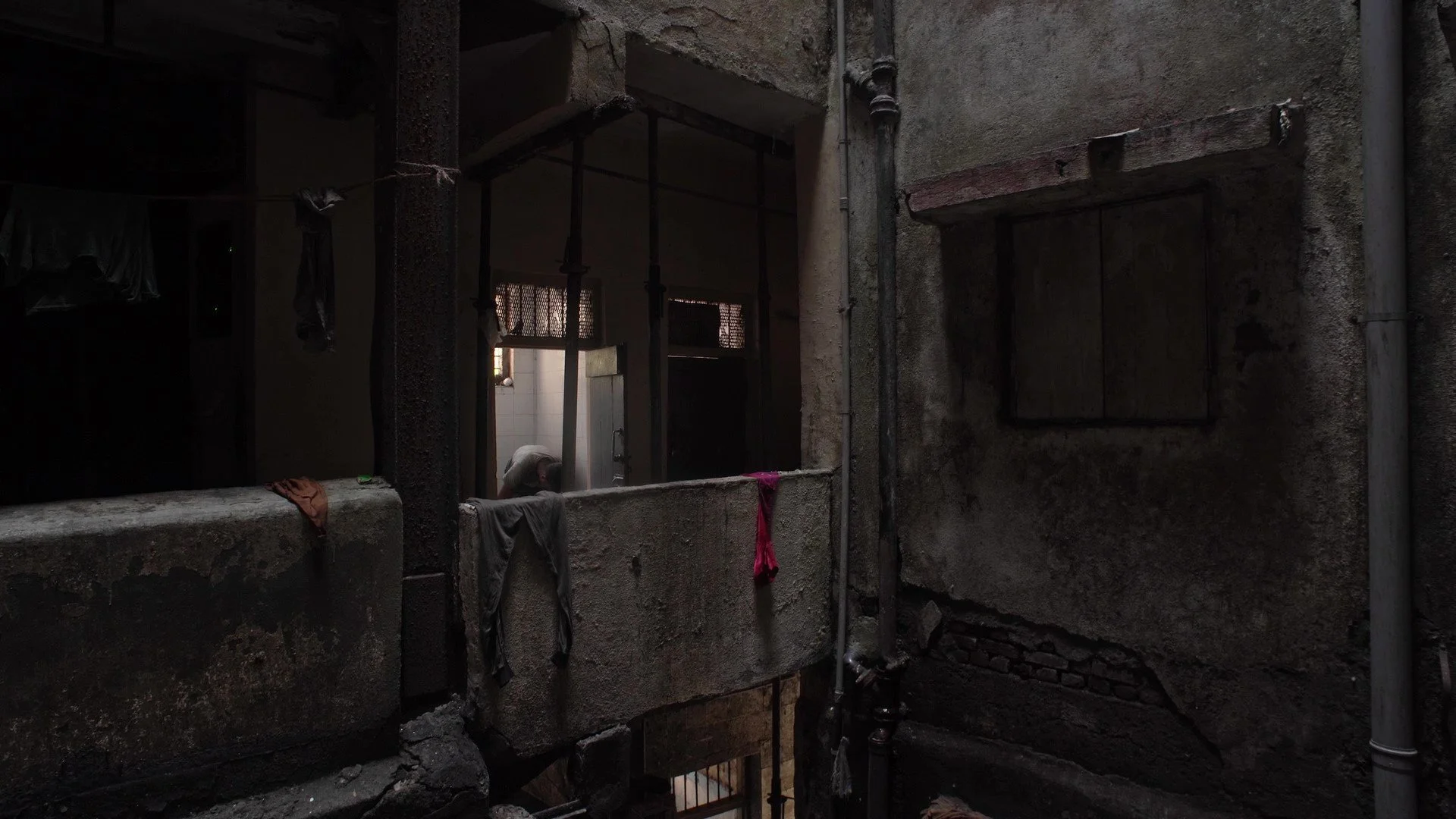
Pipe Dream is a film about Jai Mati, a resident of an informal settlement in Mumbai, and his work navigating the complex process of applying for a water connection with the city authority.
Jar Jar Ghar | by Geetanjali Gurlhosur, Prateek Pamecha & Shaily Saraf
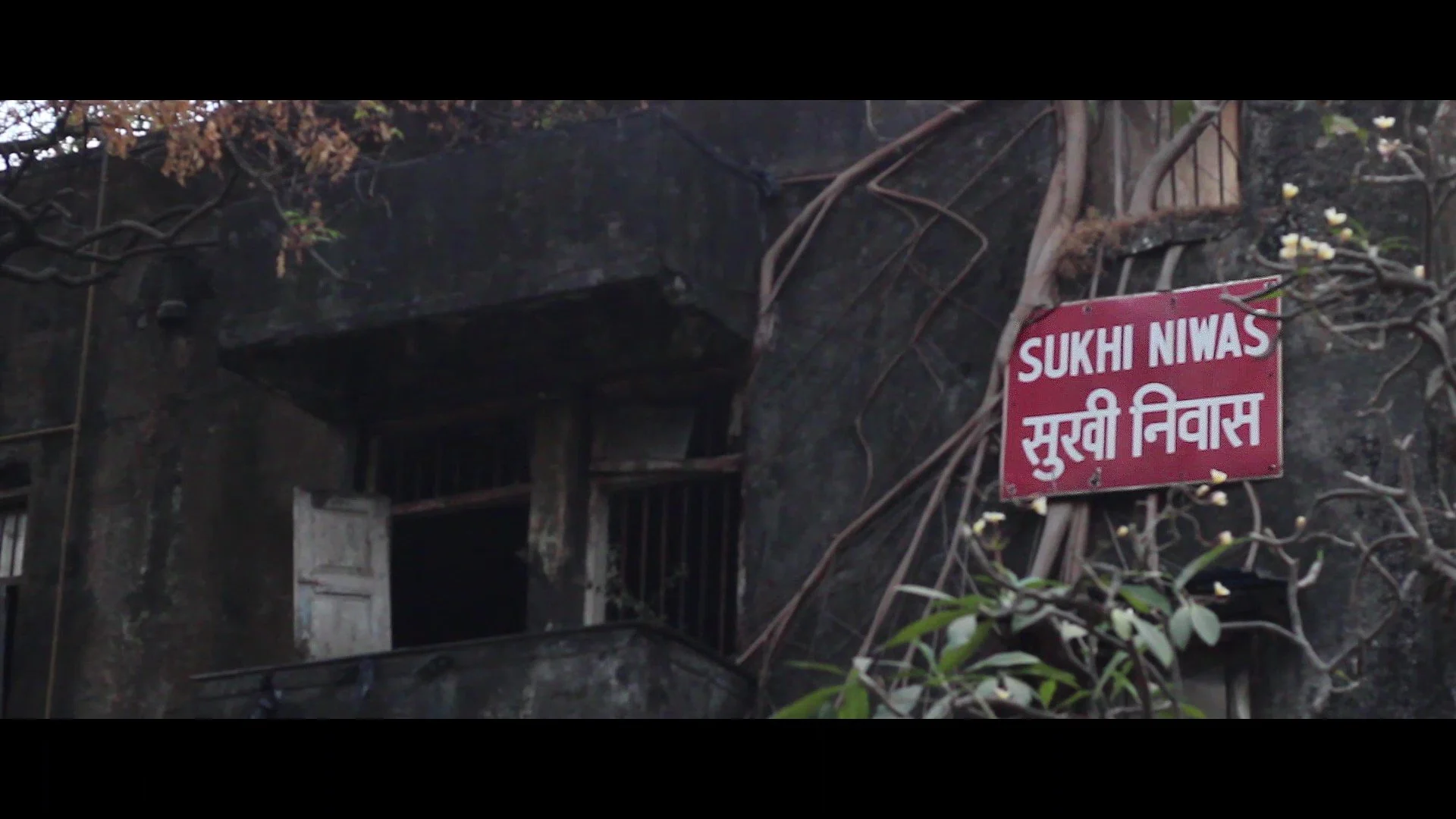
A documentary about century-old buildings on the verge of collapsing and the generational tenants who live here with nowhere better to go. With a glimpse into the rehabilitation policies of the state of Maharashtra, the film tells multiple stories of families in South Mumbai who are caught between the devil and the deep blue sea.
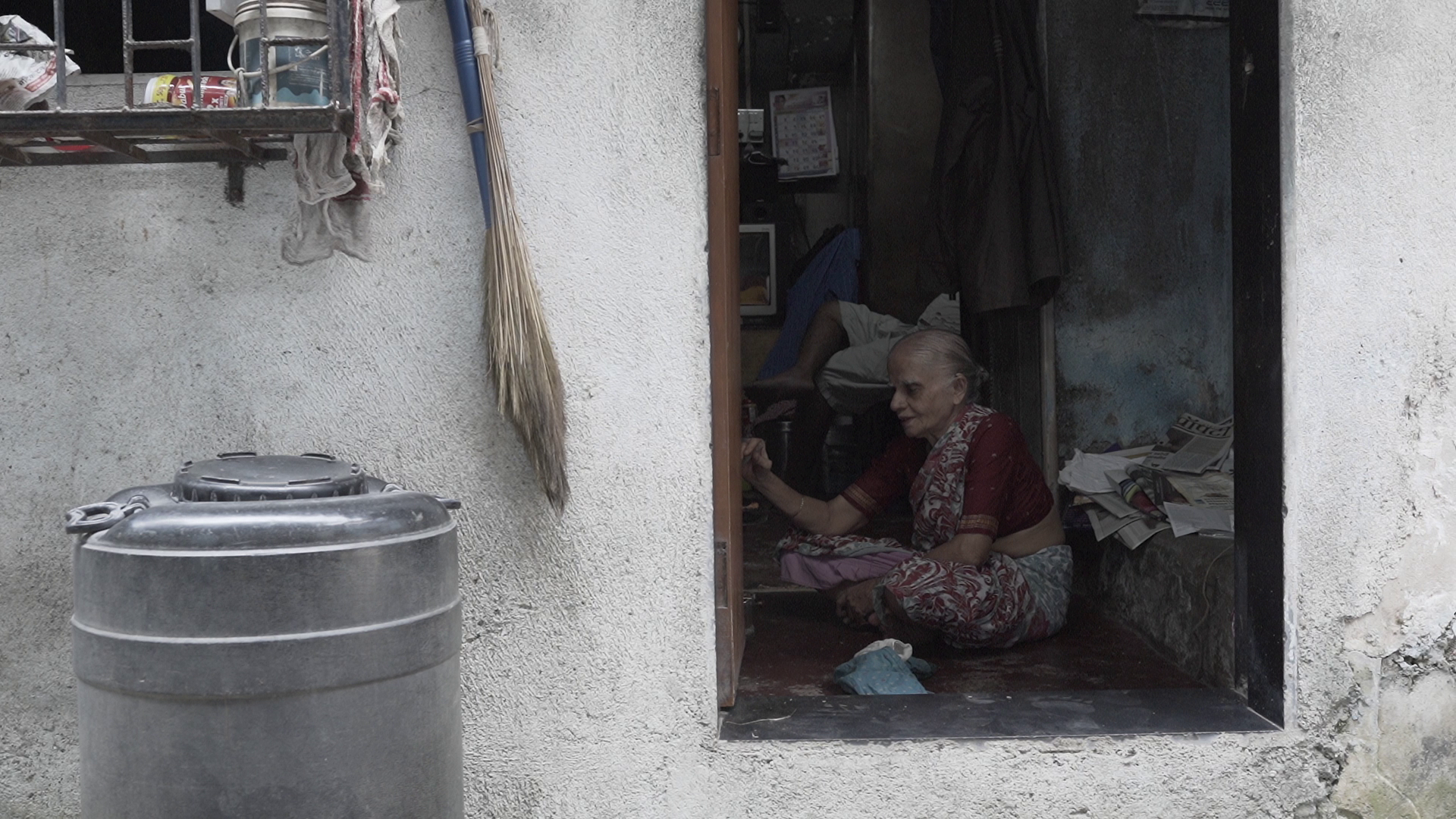
A Marathi rap music video about the issues faced by citizens at the hands of exploitative builders in a nexus with the government, providing them with woefully inadequate housing facilities.
Mayavi Swapnamahal | by Atharva Salaskar, Vaibhav Kadam & Aditya Desai
Fish Out of Water | by Viraj Kallola, Debadrita Gupta & Abhro Chowdhury
Exploring the changing realities of the Koli community of Mumbai. One of Mumbai’s native inhabitants who live along its coastline have seen it all, from the 7 islands to the bustling and ever growing metropolis that the city has now become. Shot across three Koliwadas, the urban fishing villages in which the Koli’s reside, in Khar Danda, Madh and Versova, we have tried to mirror the Kolis as they navigate through their daily lives, from the sea where they go to catch the fish early morning, to the fish auctions at the end of each day and the time in between where life has other things in store for them.
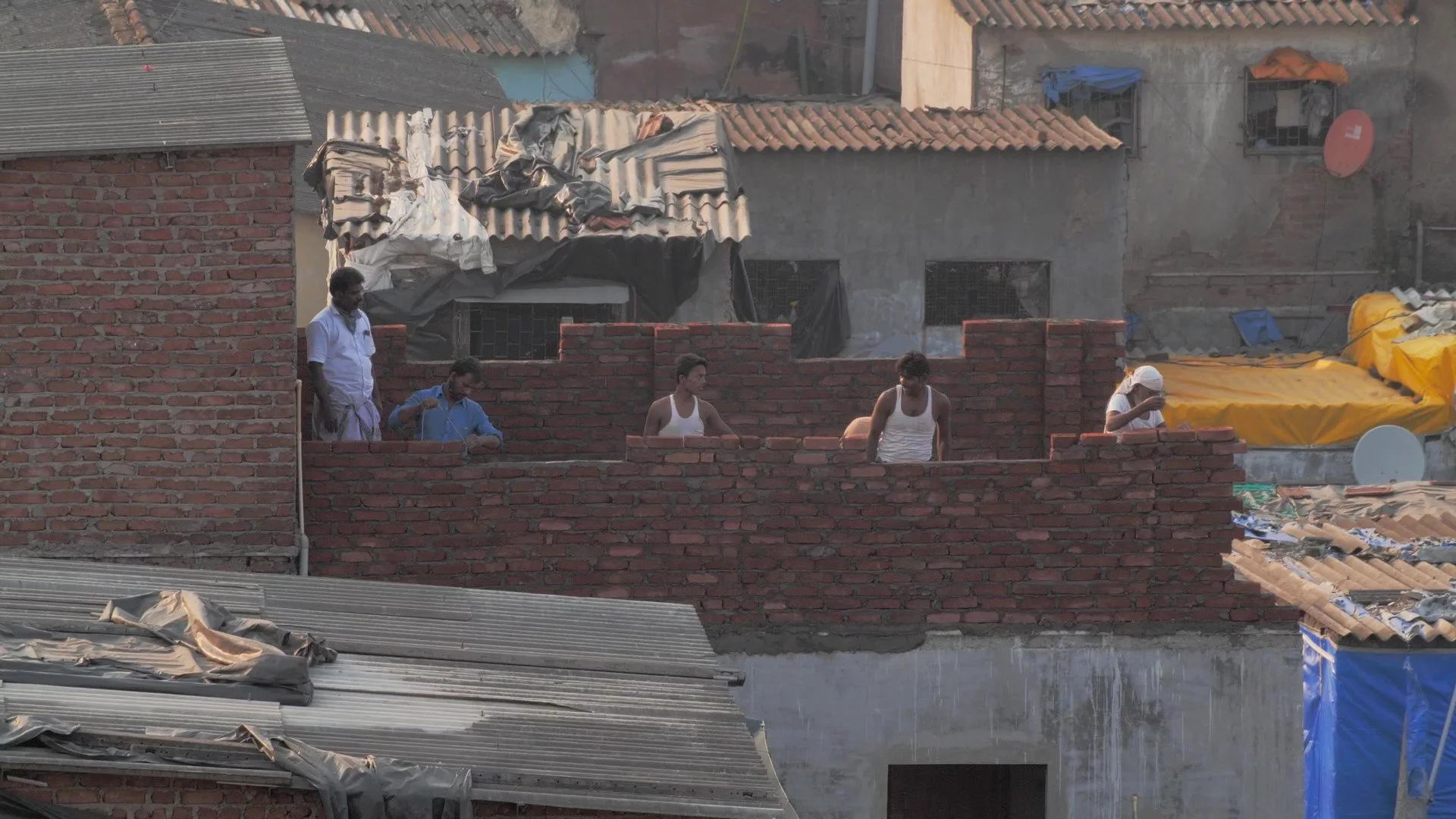
Adrushya Niwasi | by Ayush Gangwal, Anagha Jaipal & Prathmesh Kharatmal
The film unpacks the impact of the COVID-19 pandemic in highlighting the prevalent housing inadequacies for migrants in the city of Mumbai.